







Learn more about study options at UC and start your international study journey.
E international@canberra.edu.au
P +61 2 6201 5342
Starting a new year at the University of Canberra (UC) is exciting, but it can also feel overwhelming. Between lectures, assignments, part-time work, social plans and settling into Canberra, your calendar can fill up quickly.
Planning your 2026 calendar early is one of the best ways to stay organised, reduce stress and make the most of this year at UC.
The first step in building your UC calendar is blocking out key academic dates. These are fixed and should form the backbone of your schedule. Make sure you include:
Adding these dates early helps you avoid surprises later in the semester, and allows you to plan work shifts, trips home or holidays without clashing with exams or major assignments.
Once the big dates are in place, focus on your week-to-week schedule. At UC, your timetable may already include lectures, tutorials, workshops and labs, but independent study time is just as important.
You want to aim for around 2-3 hours of independent study per class each week. Try scheduling these sessions the same way you would schedule a class. This makes it more likely you’ll stick to them and prevent last-minute cramming. Balance intense study blocks with lighter tasks, such as revision or readings, to avoid burnout.
Many UC students juggle part-time or casual work alongside their studies. When adding work shifts to your calendar, be honest about how much you can manage. Overloading your schedule may lead to exhaustion or falling behind academically.
Leave some flexible time each week for unexpected commitments, whether that’s group assignment meetings, an extra shift at work or simply needing a break. And be sure to schedule in some dedicated time for things that are important to you, like socialising with friends, exercising or working on a hobby. A well rounded and somewhat flexible calendar is going to serve you much better in the long run, compared to a completely packed and rigid one.
UC isn’t just about what happens in the classroom. Canberra has a lot to offer, from national museums and galleries to nature reserves, walking trails and delicious food. Planning time to explore your new city can help you feel more settled and connected.
You could try blocking out a weekend each month for exploring a new area or attending local events with a friend. Treating these experiences as part of your calendar makes them feel just as important as academic commitments (and they are!).
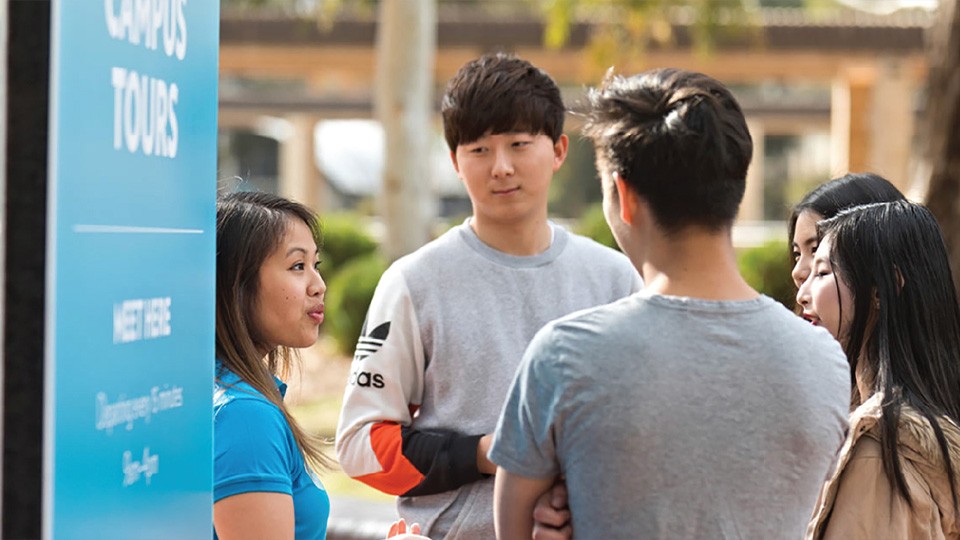
One of the highlights of the UC experience is the range of events held throughout the year. Campus events like O-Week are a great chance to meet other students, learn about campus services and join clubs and societies. Adding O-Week activities to your calendar early ensures you don’t miss out.
Throughout the year, UC also hosts social events, career workshops, wellbeing activities and sporting events. Keeping an eye on UC announcements and adding any events that interest you can help you build a sense of community and balance your academic life with fun and connection.
Your 2026 calendar isn’t set in stone. As the semester progresses, review what’s working and what isn’t. You may find you need more study time for certain units or more rest during busy periods. Maybe there’s an unexpected trip home you need to account for, or you’ve decided to get a part-time job and need to move things around to fit in work hours.
Adjusting your schedule is part of learning how you work best as a university student, the important part is staying on top of your commitments and making space for both study and life. With that in mind, you’re ready to make the most of your time at the University of Canberra in 2026.

Learn more about study options at UC and start your international study journey.
E international@canberra.edu.au
P +61 2 6201 5342


UC acknowledges the Ngunnawal people, traditional custodians of the lands where Bruce campus is situated. We wish to acknowledge and respect their continuing culture and the contribution they make to the life of Canberra and the region. We also acknowledge all other First Nations Peoples on whose lands we gather.