Please contact Dr Allyson Flynn for more information or feedback about the program.
After completing this module, you will be able to:
- define exercise and physical activity
- explain why exercise and physical activity are important for someone with Parkinson's disease.
Physical activity is any movement you do which is not sitting or lying still. Physical activity can be performed at a variety of intensities (low, moderate, vigorous). Examples include:
- leisurely walking, shopping and housework (low intensity)
- gardening, brisk walking (moderate intensity)
- climbing the stairs, brisk walking or cycling uphill (vigorous intensity).
The World Health Organisation has developed a physical activity guideline for people with Parkinson’s disease.
- It recommends people with Parkinson’s disease should undertake regular physical activity. Doing some physical activity is better than none.
- Aim for 150 minutes of moderate physical activity per week.
- Limit the amount of time sitting.
Exercise is a subset of physical activity which is planned, and structured, involves repetitive body movements and is intended to maintain or improve physical fitness. Exercise comes in many forms, examples include; aerobic, strength, stretching, balance, agility and multi-tasking.
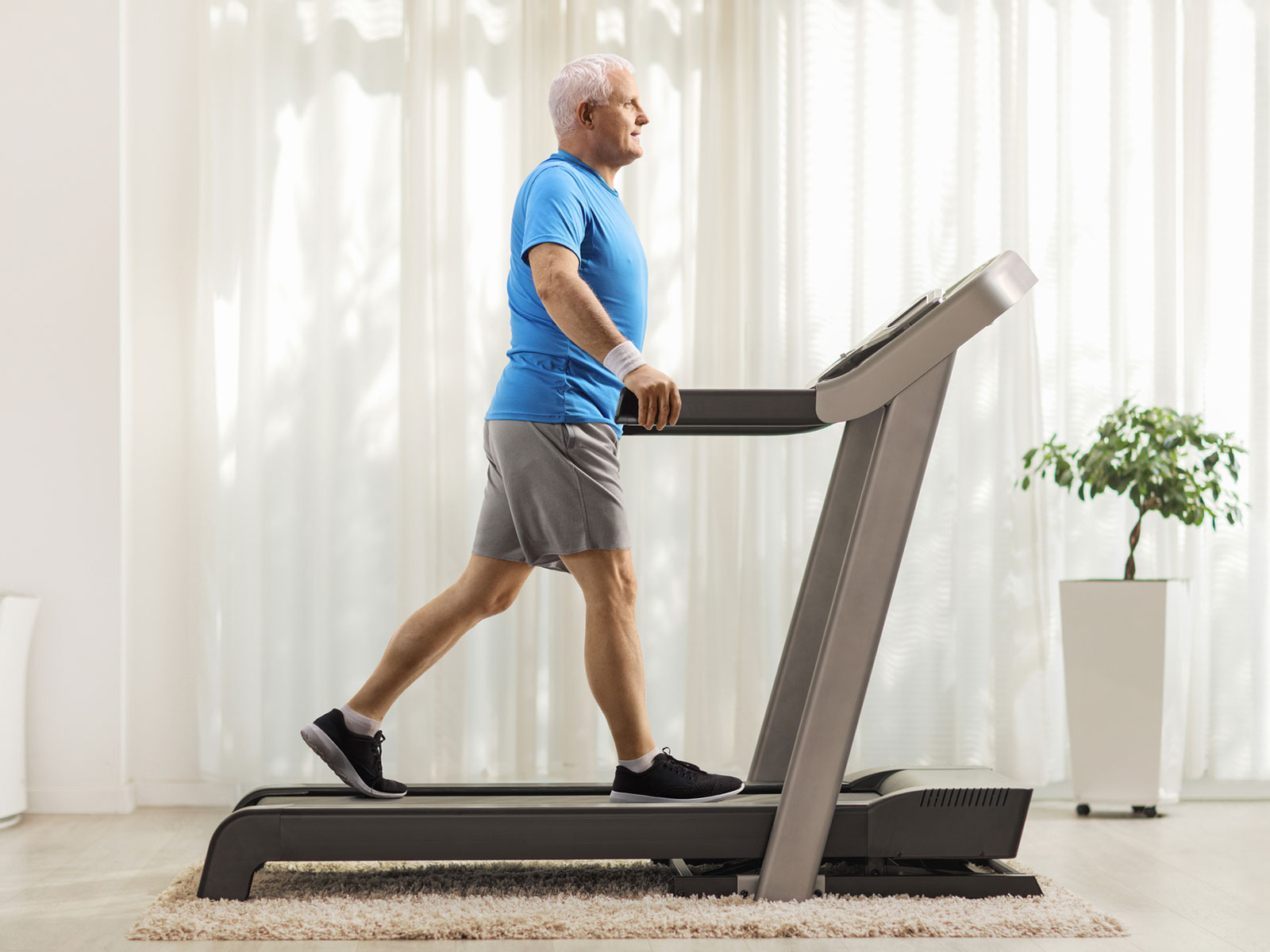



- There is high-quality evidence that exercise is beneficial and an integral part of the management of Parkinson’s disease.
- Exercise in combination with medication has been shown to reduce symptoms, improve your ability to complete daily activities and reduce falls. Starting exercise early and continuing throughout the disease is likely to delay disability and may even slow the progression of Parkinson’s disease.
- Exercise may also have a positive effect on mood, fatigue, pain, sleep, anxiety and depression.
- People with Parkinson’s disease tend to be less active than their peers. Exercise is one way that you can actively participate in the management of your disease.
- People with Parkinson’s disease benefit from a variety of different types of exercise.
- Increasing physical activity improves health and quality of life.
The benefits of being active
- Parkinson’s disease often results in a decrease in walking speed and step length. Exercise which targets walking such as walking overground or on a treadmill can increase walking speed and step length in people with Parkinson’s.
- The use of cues such as thinking about taking bigger steps, placing markers on a floor, or walking to the beat of a metronome can also assist in increasing step length and can decrease freezing of gait (the feeling your feet are stuck to the ground).
- Strength training (where resistance to movement is progressively applied, e.g. using weights, elastic bands or body weight) increases muscle strength.
- Increased strength may result in an improved ability to complete activities and may help to reduce falls. For example, increased strength in the legs will make it easier to stand up from a chair.
- Strength training may also improve your mobility and your quality of life.
- Muscle strengthening focusing on moving quickly (power training) may have additional benefits by addressing the slowness of movement people with Parkinson’s often experience.
- Aerobic exercise (brisk walking, jogging, cycling) has been shown to be effective in improving aerobic fitness. People who are fitter find it is easier to perform everyday activities and experience less fatigue.
- Aerobic exercise improves heart, lung and muscle function.
- Aerobic exercise may also help to reduce the symptoms of Parkinson’s disease such as reduced size and speed of movements.
- Exercise which challenges balance, improves balance.
- Improved balance can also improve mobility and may help reduce falls.
High-intensity exercise (e.g. cycling or brisk walking) and exercise that challenges thinking as well as movement (e.g. dance or walking while talking) have been shown to improve brain function.