


Fleta Page
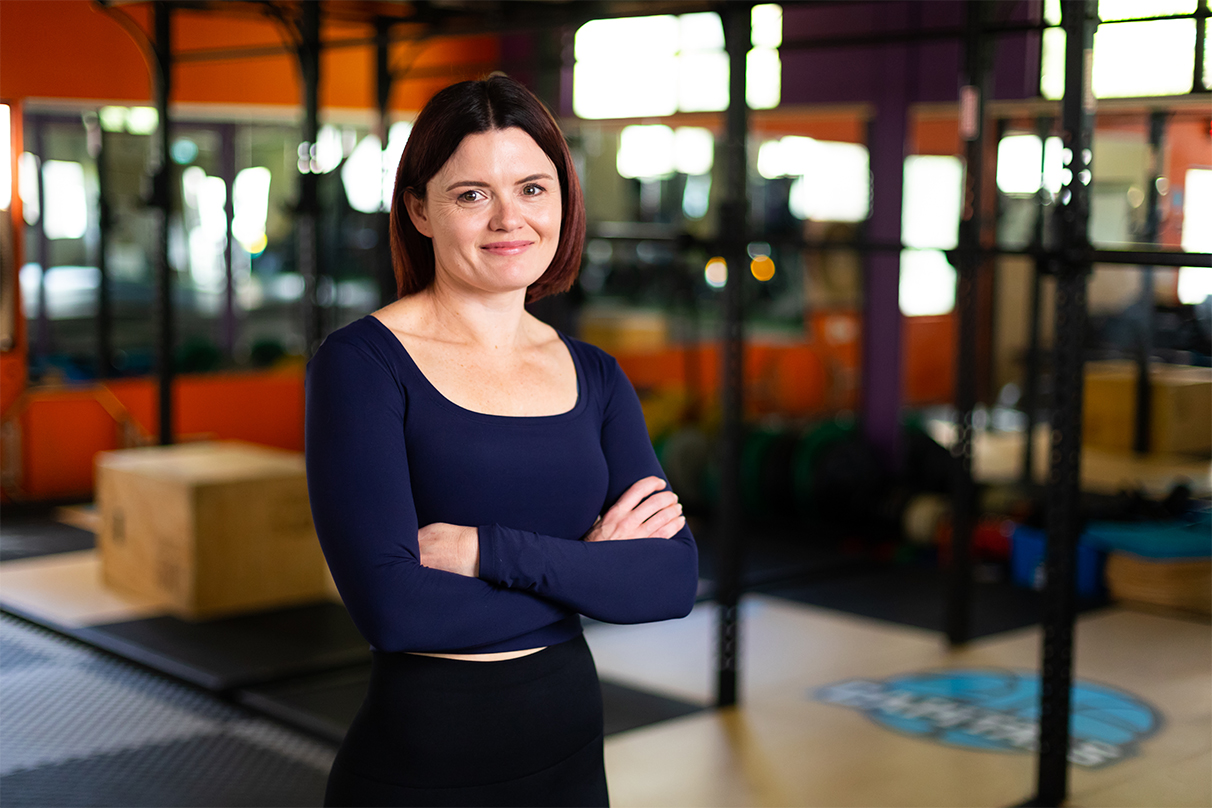
6 November 2026: In 2020, when University of Canberra lecturer and PhD candidate Erin Kelly started a powerlifting program for women who have experienced intimate partner violence (IPV), she had 10 women participating in two classes each week.
Six years on, the WEST Project (Women’s Empowerment through Strength Training), which started as a PhD research project, has grown to 50 women and eight classes a week, supported by a new three-year Snow Foundation grant.
One weekly class is also funded by a private business, Canberra Psychology Services, which connected with WEST after seeing media coverage of the hugely successful program.
But Ms Kelly – who lectures in Anatomy and Physiology while completing her doctorate – says they still have “a long wait list” and is exploring ways to ensure the long-term sustainability of the Project, one that is less reliant on funding from any one source.
“Unfortunately, there's always going to be women who need this type of support,” she said.
The Snow Foundation grant has allowed the program to employ a project coordinator to run the day-to-day operations of the program, which involves a lot more than just a gym – currently provided free by the University of Canberra – and a trainer.
“They're specialised strength and conditioning coaches, and finding the right coaches is hard,” Ms Kelly explained.
“Trainers can be quite forthright and the women do not respond well to being pressured – it's not very trauma informed, so we need to find the right people, who can push the women in a way that is safe.”
Ms Kelly describes the space they use as “rough and ready” but has the benefit of being private and isolated.
“Most people don't even know it's there,” she said. “It would be very difficult, I think, to run the program in an open gym. It needs to be IPV survivors only.”
Through the interview process of her qualitative research, Ms Kelly found how much participants valued having a gym to themselves as they re-built their self-esteem, body image and sense of power after experiencing intimate partner violence.
“The women knew that everyone in the group had similar experiences and that was really comforting, but there was no pressure to actually disclose their history.”
Her original study, published earlier this year in the Violence Against Women Journal, also found marked improvements in participants’ measures of depression, anxiety and stress, as well as their self-esteem, body appreciation and social connections.
More than a gym program
While strength training is central to the WEST Project, the model extends beyond just exercise.
The program partners with the UC Health Clinics to provide physiotherapy and other student-led health services when required.
They also host workshops, from nutrition for strength on a budget, to women's health, to somatic therapy. Recently they ran a self-defence course, run by a UC Exercise Physiology student with a black belt in Taekwondo.
They also run social events to counter the isolation often experienced by IPV survivors, and a breakfast at the end of each block, where the women celebrate the measurable, physical strength gains they have made through the term.
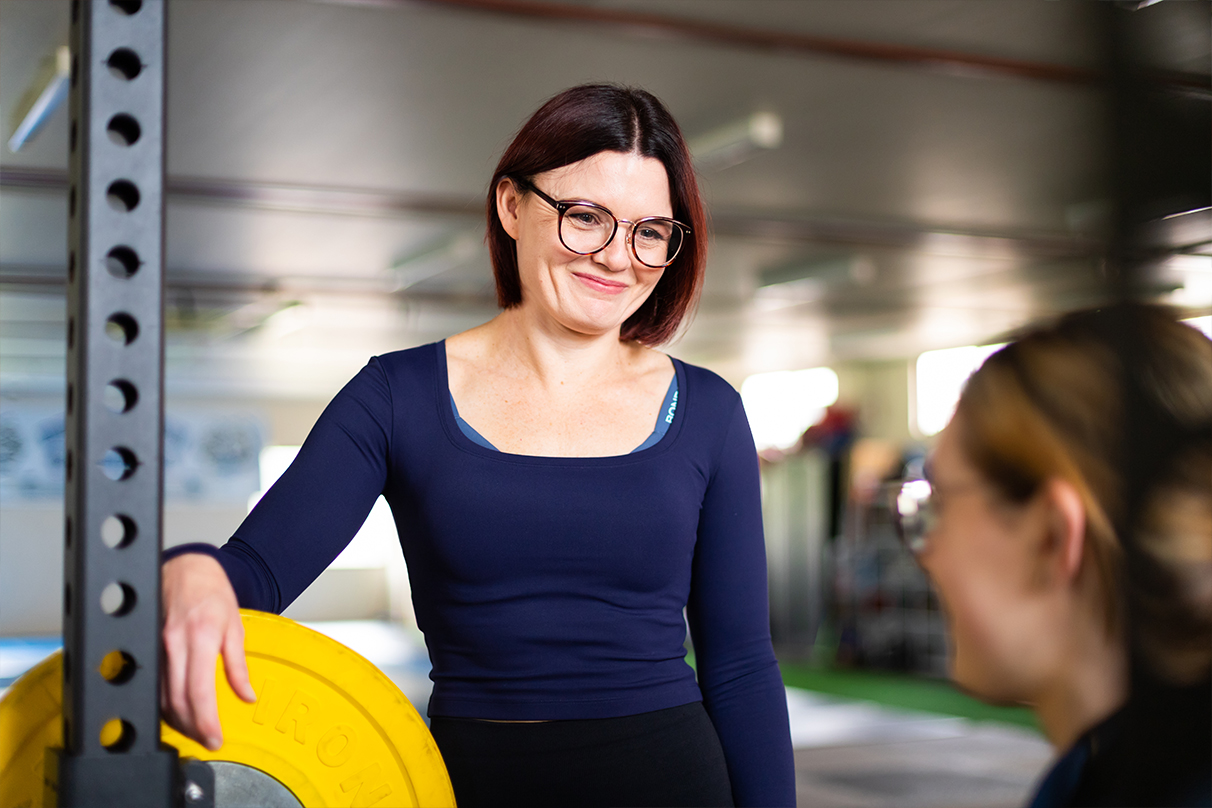
“A big part of strength training is about pushing back against gender norms – women are told: ‘be small, be quiet, you're fragile’," Ms Kelly said. "Strength training really pushes back against those boundaries. For a lot of women, it's the first time they're realising that they don't have to be confined to those societal norms.”
Expansion plans driven by demand
Although the WEST Project benefits from the University’s support through the provision of gym space and parking vouchers, Ms Kelly says operating the program remains resource-intensive, and keeping it free for participants is important.
"For a lot of the women, finances are a major barrier," she said.
Despite recent growth, demand continues to outstrip capacity, leaving Ms Kelly to explore the creation of a social enterprise community gym that would allow more women to participate, while providing progression pathways for long-term members.
The proposed model would enable them to offer beginner, intermediate and advanced training streams, creating space for new participants, while allowing existing members to remain engaged with the community. Additional classes and potentially a second location in Canberra's south are also on the wish list.
“We are also looking at a ‘pay what you can afford’ funding model, so we can start to bring in some income, because we are very aware that we're really reliant on the Snow Foundation,” she said.
"Another three years of funding is amazing and an incredible opportunity – it gives us the certainty to continue delivering the program and demonstrate its impact. Our focus now is to ensure the program can continue well into the future."


