


Fleta Page
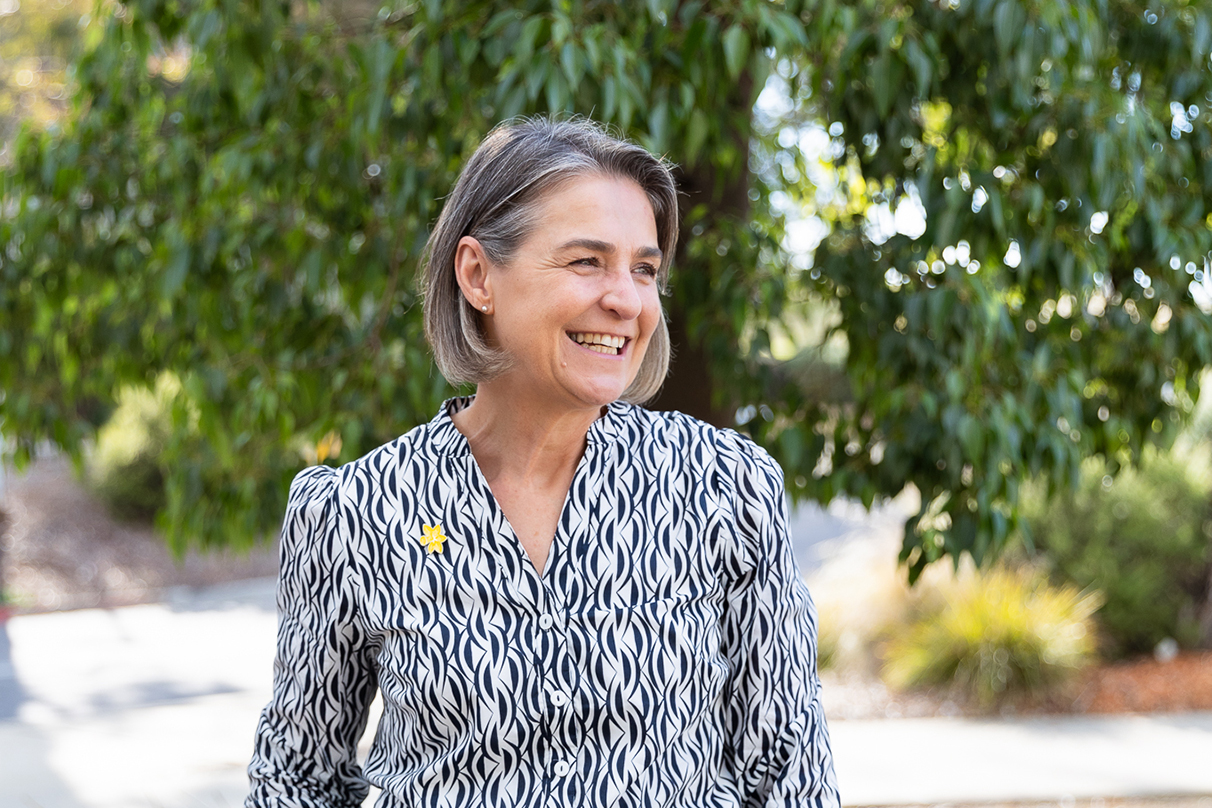
12 November 2026: For more than a decade, Professor Nicole Freene has been advocating for healthcare professionals to have quick conversations with their patients to encourage them to be physically active.
That passion and longstanding commitment to physical activity promotion is now helping shape national policy discussion through her role as co-lead of the Healthcare Action Area in the Heart Foundation's latest Blueprint for an Active Australia, released today.
The fourth edition of the Blueprint provides updated evidence and practical actions to help governments, researchers, practitioners and policymakers increase physical activity levels nationwide, filling a void in the absence of a National Action Plan on physical activity.
"I constantly talk about the Blueprint for an Active Australia and the role that health professionals can play in improving population physical activity levels. So to actually now be leading that section is pretty cool," Professor Freene said.
Physical activity promotion by health professionals is recognised internationally as a key strategy for improving population physical activity levels, and Professor Freene, a physiotherapist by training, whose PhD explored physical activity promotion by physios, believes simple interventions delivered routinely by healthcare workers could have a huge impact if implemented at scale.
"Physical activity really is this magic pill,” she says. “It is so powerful, and it doesn't matter whether it's for primary or secondary prevention, it is really, really powerful. There are just so many different things that it does – it reduces the risk of chronic disease and illness, improves mental health… but we need to support more people to be more active," she said.
Her research has found healthcare professionals generally want to promote physical activity but often face significant time pressures in busy clinical settings. Rather than adding lengthy new processes, she advocates for brief conversations that can be integrated into routine care.
“Just like blood pressure, if we can measure physical activity every time someone comes into contact with a health professional or even most times, that's what I want to achieve.
“Whether it's the doctor, the physio, the nurse… if someone just asked a patient about their physical activity levels, people may realise, ‘actually, this is important, this physical activity thing. And these are the guidelines and I'm not meeting them. What can I do to address that?’”
Professor Freene’s ‘Measure It!’ intervention has been successfully trialled among healthy adults and cardiac rehabilitation patients – and is currently being trialled on cancer patients undergoing chemotherapy. It shows that healthcare workers routinely measuring physical activity and providing five minutes of simple advice can increase patients' activity levels and self-management skills. It has also been adopted by Queensland Health’s Mental Health and Alcohol and Other Drugs Services as part of their ‘Move and Measure It!’ initiative.
"We've got these opportunities to see people when they're seeking health care. And if everyone asked about physical activity, measured it and provided some really brief advice, I think we'd be able to make a huge impact at a population level. Maybe not so much at an individual level, but at a population level, the opportunity is there," she said.
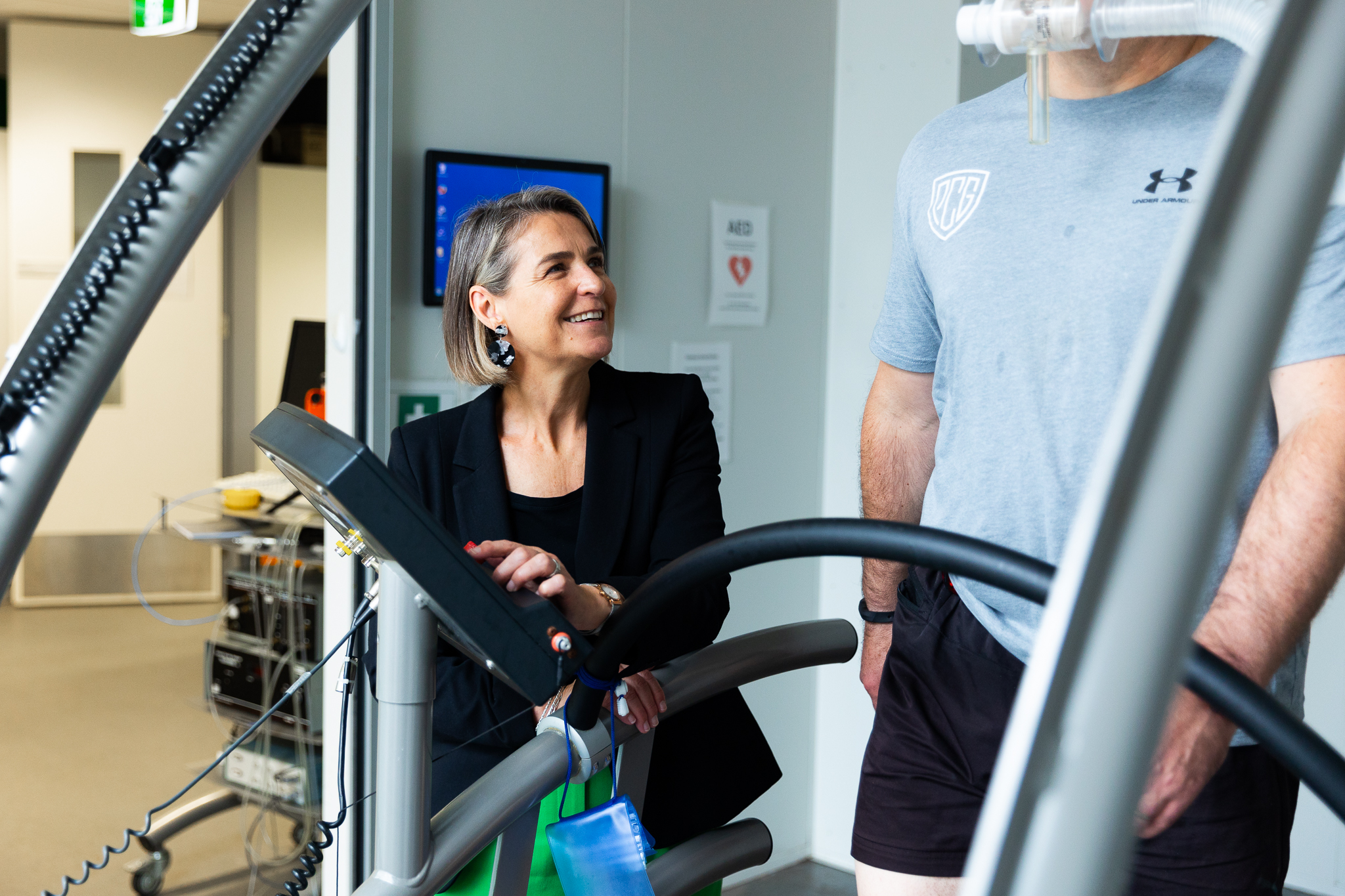
The Healthcare Action Area of the Blueprint calls for healthcare organisations to integrate physical activity assessment and promotion into everyday clinical workflows.
Professor Freene's own research has also identified gaps in health professionals' knowledge – her 2019 study found only 16 per cent of nursing and allied health professionals surveyed in Australia could accurately describe the physical activity guidelines, potentially limiting their ability to take advantage of physical activity promotion opportunities.
To address this, she emphasises that promoting physical activity does not need to be complex, and can be done by every healthcare worker.
“If you know the guidelines and you know that it's safe for your patient, it's okay to give general advice. If they need more specialist advice, they can be referred to exercise specialists like physios and exercise physiologists” she said.
"It doesn't matter what discipline you are, whether you're a physio, occupational therapist, dietitian, doctor, it doesn't matter what setting and it doesn't matter how much time you've got available; there's an opportunity for you to do something," she said.
The Blueprint itself calls for an Australian Government-led National Physical Activity Plan to coordinate efforts and invest in proven approaches as Australia continues to grapple with high levels of physical inactivity.
It provides evidence and practical recommendations across 12 action areas, which also include children and young people, education and childcare, older adults, priority populations, Aboriginal and Torres Strait Islander peoples, sport and active recreation, built environments, active travel, workplaces, financial incentives and mass reach strategies.
The full Blueprint can be found here.


