Build solutions that improve the world.
Explore UC's Bachelor of Engineering (Honours) in full detail, from flexible study options to degree specialisations, career opportunities and more.

Bachelor of Engineering (Honours)
Engineering is about more than understanding how things work. It is about using that knowledge to create smarter systems, solve complex problems and improve the way people live and work. With a Bachelor of Engineering (Honours) from UC, you will build strong foundations in engineering design, research and management, then apply them to real global challenges across in-demand areas in the field.
Over four years, you’ll build specialised skills in two high-growth fields, either Intelligent Robotics or Network Engineering, giving you the competitive edge to thrive in the rapidly evolving world of technology.
Hands-on engineering degree
Through hands-on projects and Work Integrated Learning with industry partners including Cisco and Omron, you will build practical skills and professional networks while working through real world engineering challenges.
Learn in state-of-the-art classrooms
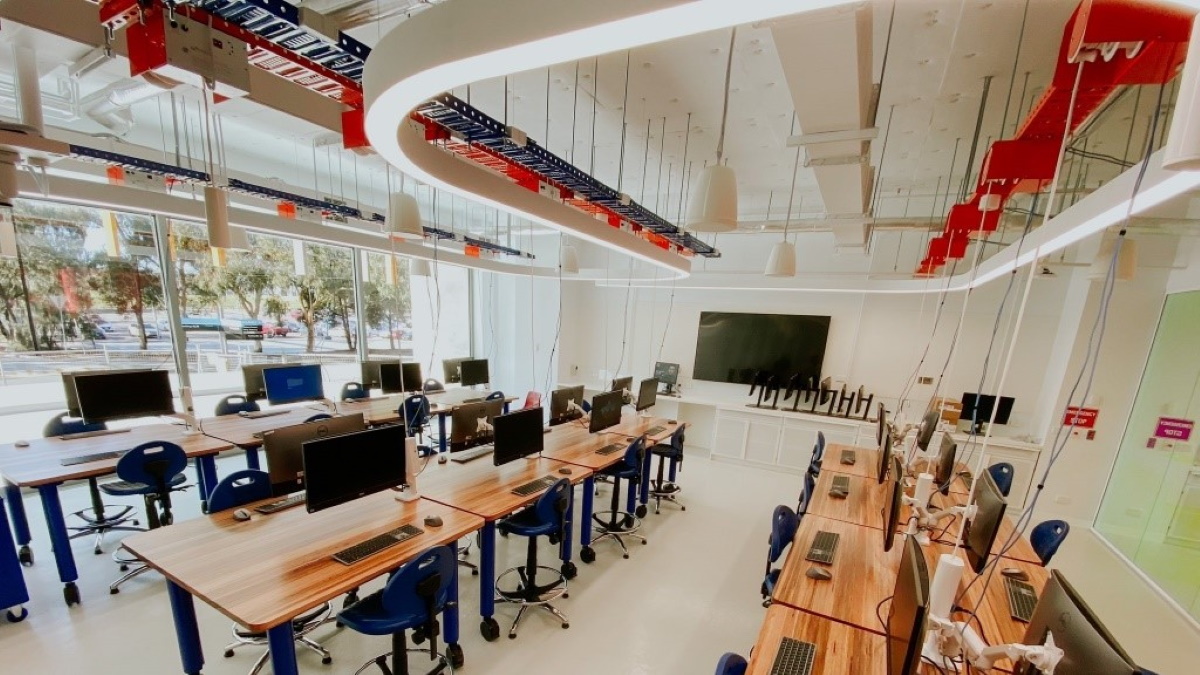
At UC your learning goes beyond the traditional classroom. Engineering students have access to specialist facilities including the Advanced Engineering Lab, AR/VR Laboratory, Collaborative Robotics Laboratory and more. These spaces are designed to support hands-on learning across robotics, networking, cyber security and emerging technologies.
Schedule a call with our friendly team to learn about UC's flexible Bachelor of IT.
Specialist majors
Intelligent Robotics
Intelligent robotics is one of the fastest growing and most exciting fields in engineering. At UC, you'll gain a comprehensive understanding of the control and dynamics of machines, industrial robotics, algorithms, smart engineering and more. You'll also learn to design, program and test robotic systems that solve real-world challenges across industries.
Explore careers in automation engineering, biomedical robotics, defence technologies, advanced manufacturing, research and development, where you will help drive the innovations shaping the future.
Learn more
Network Engineering
Network Engineering
Network engineering sits at the core of our digital future and demand for skilled graduates has never been higher. At UC, you'll build in-depth expertise in designing, developing and operating software-based networked systems. With opportunities to explore mobile and wireless data communications, network security, cloud computing, big data and multimedia networks.
With a Network Engineering specialisation you can pursue careers in cybersecurity, telecommunications, enterprise IT, cloud services, or work as a network architect, systems engineer or infrastructure consultant, all vital roles for keeping our modern world running.
Learn more
A clear, comprehensive pathway into tech and engineering careers.
Hands-on learning in state-of-the-art labs from day one.
Numerous Work Integrated Learning (WIL) opportunities, including site visits and fieldwork.
Chance to participate in the Engineers Without Borders Challenge.
Smaller classes with direct access to expert academics and industry mentors.
Strong industry connections with government and business stakeholders.
Course content reviewed annually by leading industry experts.
A globally recognised qualification, accredited by Engineers Australia (Professional Engineer) and the Australian Computer Society (Professional level).
Engineering course details
Want to see how your studies could be structured? See what a typical study pattern for your course might look like based on your chosen intake and study mode below.
Professional Accreditation
Both Network Engineering and Intelligent Robotics specialisations are accredited by Engineers Australia.
Engineering is about solving real problems. Whether you're interested in AI and robotics, cyber security, data systems or network technology, you'll learn how to design, build and improve the systems people rely on every day.
With technology and infrastructure continuing to grow across Australia and around the world, engineers are needed in more industries than ever. At UC, our Bachelor of Engineering (Honours) gives you the technical knowledge and practical experience to take on that demand and be at the forefront of emerging fields.
You won't just study theory, you'll apply it through hands-on projects, real-world challenges and industry placements that prepare you for the workplace from day one. With strong industry connections and support throughout your degree, you'll be ready to step into a range of careers, including:
- Cyber Security Engineer
- Network Architect
- Chief Technology Officer
- Artificial Intelligence Engineer
- Robotics Engineer
- Data Scientist
- Business Intelligence Analyst
- Data Analyst
- Software Engineer
- Network Engineer
- ICT Manager
- Automation Engineer
- Control Systems Engineer
Admission to this course is based on an entrance rank. A rank can be achieved by the following means:
- Year 12 ATAR
- Other Australian Qualification
- Work experience
- Overseas qualification
We also offer a number of entry initiatives that give you the opportunity to gain entry to the University via alternate pathway programs and admissions schemes.
More information is available on our Alternative Entry page.
Canberra Institute of Technology
- ICT40120 Certificate IV in Information Technology & ICT50220 Diploma of Information Technology (35569)
- ICT40120 Certificate IV in Information Technology (35589)
Melbourne College of Advanced Studies
- Bachelor Qualifying Program (BQP) Engineering Course (two semester's study with EE1 and EE2) (31984)
- Bachelor Qualifying Program (BQP) Engineering Course (Completion of one semester's study) (31865)
- Bachelor Qualifying Program (BQP) Engineering Course (two semester's study without EE1 and EE2) (31985)
- Bachelor Qualifying Program (BQP) Business Course (Completion of two semester's study) (31885)
- Bachelor Qualifying Program (BQP) Business Course (Completion of one semester's study) (31807)
- Bachelor Qualifying Program (BQP) Science-IT Course (Completion of two semester's study) (32184)
- Bachelor Qualifying Program (BQP) Science-IT Course (Completion of one semester's study) (32024)
University of Canberra College
Additional admission requirements
Year 12 Mathematical Methods (T) or equivalent.
Assumed knowledge
Basic knowledge and skills in ICT (Information and Communication Technology); Basic numeracy and literacy skills.
Study your course with reduced fees.
A course with Commonwealth Supported Places (CSP) means the Australian Government has subsidised a portion of your degree, reducing the total balance you are required to pay (known as the student contribution amount).
The CSP amount is determined by the course you are undertaking and the industry you'll be working in after graduation.
Some students (such as Australian citizens or holders of an Australian permanent humanitarian visa) may be eligible to apply to defer payment of their tuition fees via the Commonwealth Government's FEE-HELP and HECS-HELP schemes.
Visit our fees page for useful information about eligibility and how to apply and pay. You can apply for FEE-HELP or HECS-HELP once you have enrolled in a course.
Our learning spaces
Advanced Engineering lab
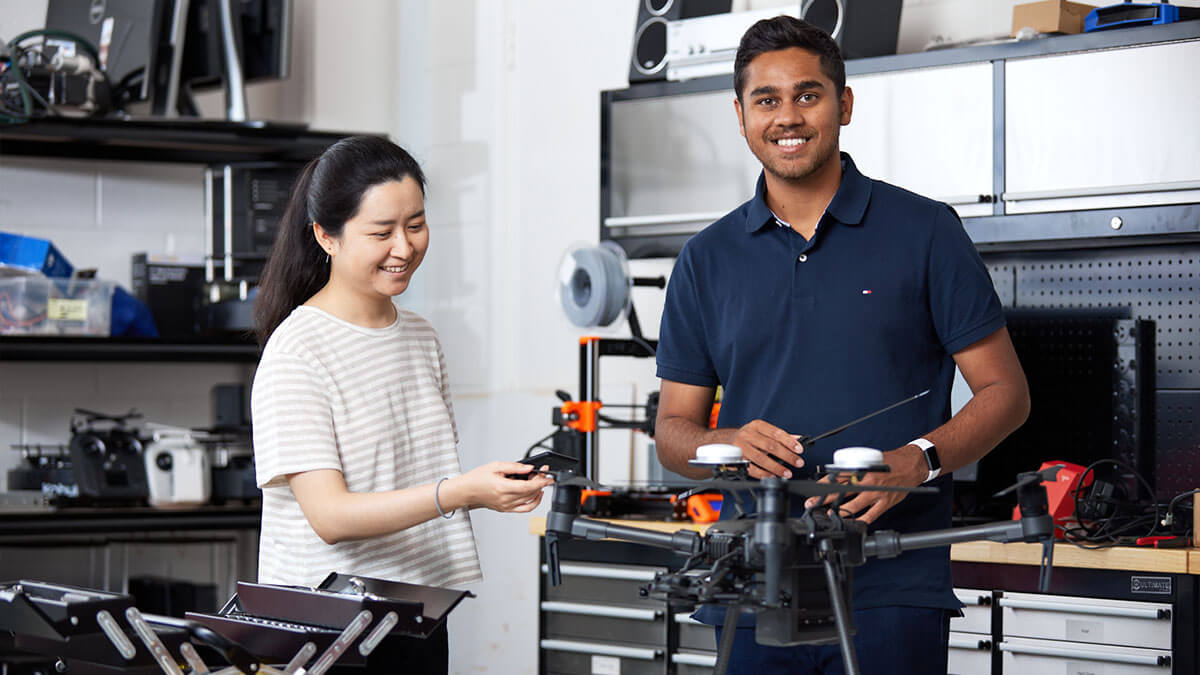
The Advanced Engineering Lab is a flexible teaching space for robotics and IoT. Here, you'll learn in a contemporary environment designed for hands-on projects, testing and collaboration. Opening onto a large deck, the lab gives you space to work with wheeled and aerial drones across both indoor and outdoor settings.
Network and Cyber Lab
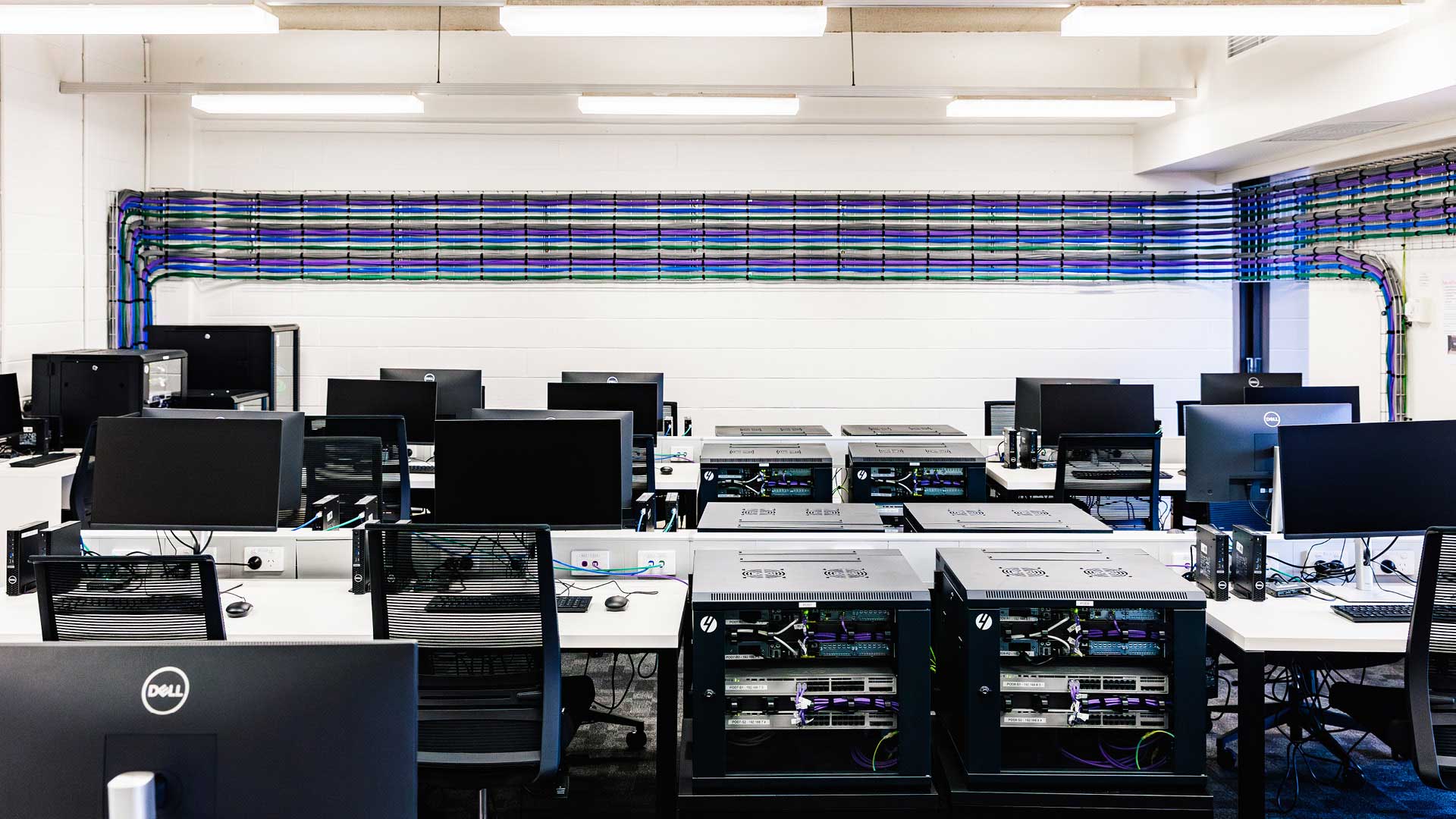
The Network Engineering and Cyber Security Lab gives you hands-on experience with the tools and technologies that are actually used across modern networks. With it's own isolated network environment, you will get to simulate real-world networking, server and cyber security scenarios, while understanding the inner workings of an organisation's networking infrastructure with exposed cabling and back-end frameworks.
Human-Centred Computing Laboratory
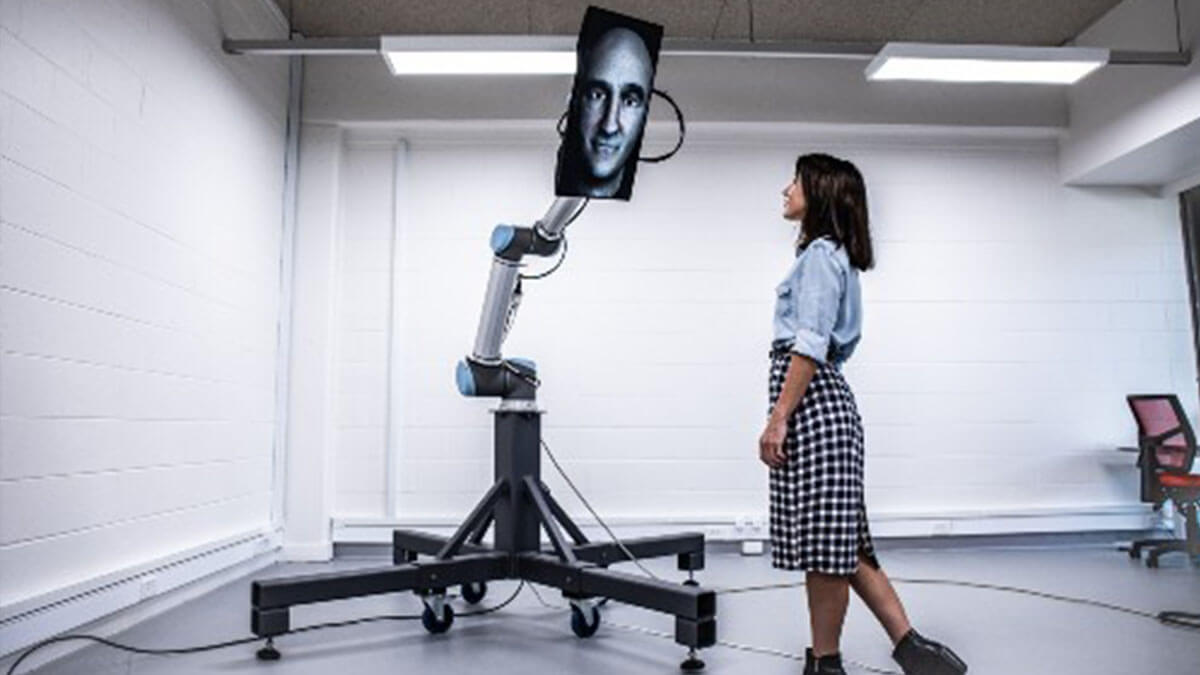
The Human Observation Laboratory supports research across computer science, engineering, health technology, psychology, sports technology and design. Here you'll get to use advanced computing facilities to analyse video, audio and sensor data, helping you better understand human behaviour, performance and interaction across a range of real-world settings.
Collaborative Robotics Laboratory
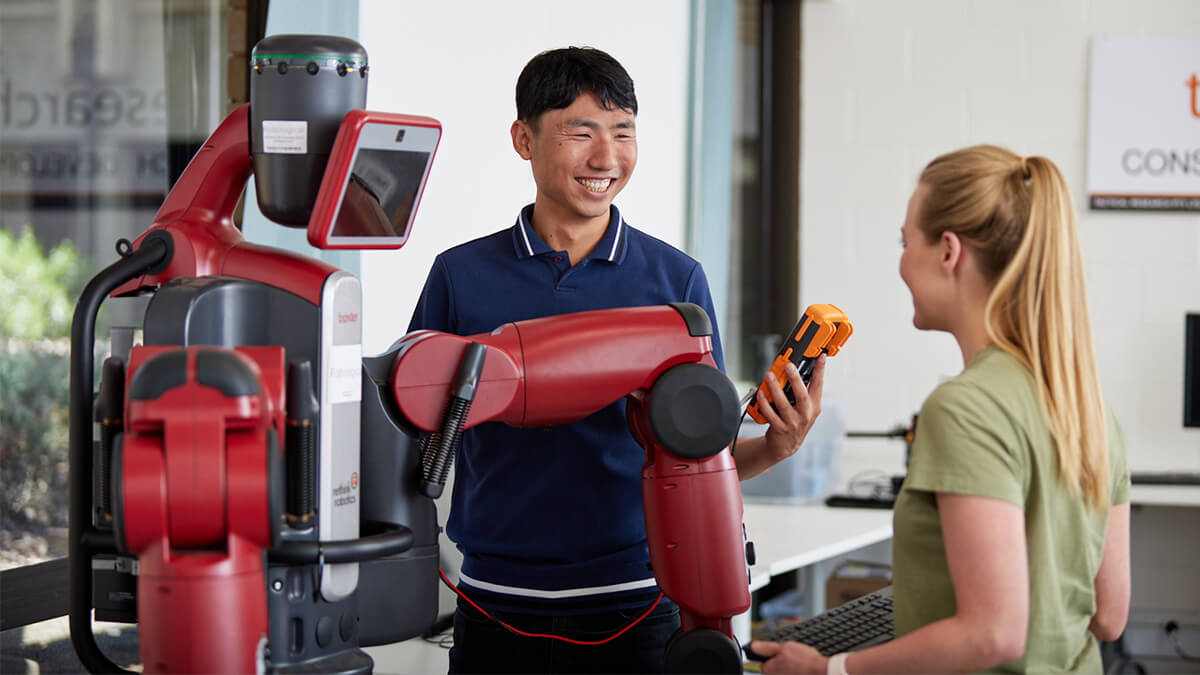
Our Collaborative Robotics Lab features cutting-edge humanoid robots, robotic arms and more. In this space you can explore how people and robots work together while testing new ideas and building practical skills in robotics and automation.
Internet of Things Laboratory
This dedicated project space gives you an opportunity to experiment with sensor equipment, drones and WiFi networks used for engineering, network and software engineering. his dedicated project space gives you the opportunity to work hands-on with the latest technologies, explore real datasets and test practical applications in a collaborative environment.

Innovation Lab
Designed for hands-on learning, this multipurpose computer lab features high-powered PCs and specialist software so you can develop skills in mobile technology, games programming, natural user interfaces, networking, cyber security and robotics.
Explore our spaces
If you're wondering where you'll be spending your time? Take a look at the technology spaces you'll use throughout your degree. From specialist labs and project spaces to the equipment and technology that bring your learning to life.
Engineering FAQs
If you're interested in robotics, network engineering, cyber security or artificial intelligence, Engineering at UC gives you the skills and hands-on experience to turn that interest into a career. You'll work with the technologies shaping the future and graduate ready to contribute in government, defence, startups and global tech companies, with roles including network architects, robotics engineers, chief technology officer and more.
UC’s Bachelor of Engineering (Honours) offers two specialisations, Intelligent Robotics and Network Engineering, giving you the chance to build expertise in two fast-growing and future-focused areas of engineering. Over four years, you’ll develop strong technical skills and apply them to real engineering challenges, while tailoring your degree to the area that best matches your interests and career goals.
In Intelligence Robotics, you’ll explore robotics, smart machines, control systems, algorithms and industrial automation, learning how to design, program and test robotic systems that solve real-world problems. If you choose Network Engineering, you’ll focus on software-based networked systems, including mobile and wireless communications, network security, cloud computing, big data and multimedia networks. Both specialisations prepare you for in-demand careers and equip you with skills that can be applied across a wide range of industries.
To study Engineering at UC, you will need Year 12 Mathematical Methods or an equivalent qualification as part of the admission requirements. This helps ensure you have the mathematical foundation needed for engineering study.
While not essential, basic numeracy, literacy and ICT skills can also be beneficial, as these will support your learning throughout the course.
Not everyone follows the same path to uni. Whether you have work experience, life skills or other qualifications, we offer a range of entry options to help you study at UC.
Your experience could make you eligible to gain entry to university, receive credit for your chosen qualification and reduce your study time.
Whether you’ve served in the defence force, owned your own business or just want a fresh start, we’re here to help you build on what you’ve already achieved and make your experience count.
Ready to get started?
If you're interested in solving real-world problems through engineering, we'll help you explore your options and find the right path.
You can download the Technology course guide or connect with the UC team to learn more about:
- what you'll study
- hands-on learning opportunities
- career outcomes
- how to apply