


25 September 2026: The University of Canberra is supporting collaboration between Australia and Pakistan in tackling salinity management – one of the region’s most pressing environmental challenges – through Australia Awards Fellowships.
Funded by the Australian Government Department of Foreign Affairs Trade (DFAT), Australia Awards Fellowships aim to build networks of influence and leadership by strengthening partnerships between Australian organisations and partner organisations in the region.

The Fellowship, delivered by the University of Canberra’s Centre for Environmental Governance (CEG), focused on addressing shared challenges of how to sustain productive landscapes and rural livelihoods in the face of soil and water salinity, land degradation, water scarcity and climate change.
Fellows from the Pakistan Council of Research in Water Resources (PCRWR), Pakistan Agricultural Research Council (PARC) and Mehran University of Engineering and Technology (MUET) participated in a two-week program in the Australian Capital Territory and Western Australia. They represent a wide range of expertise spanning water management, agriculture, natural resource management, engineering and applied research.
In Canberra, Fellows engaged with professionals at the University of Canberra and leading Australian organisations, including the Australian Centre for International Agricultural Research (ACIAR), CSIRO and the Murray-Darling Basin Authority (MDBA).
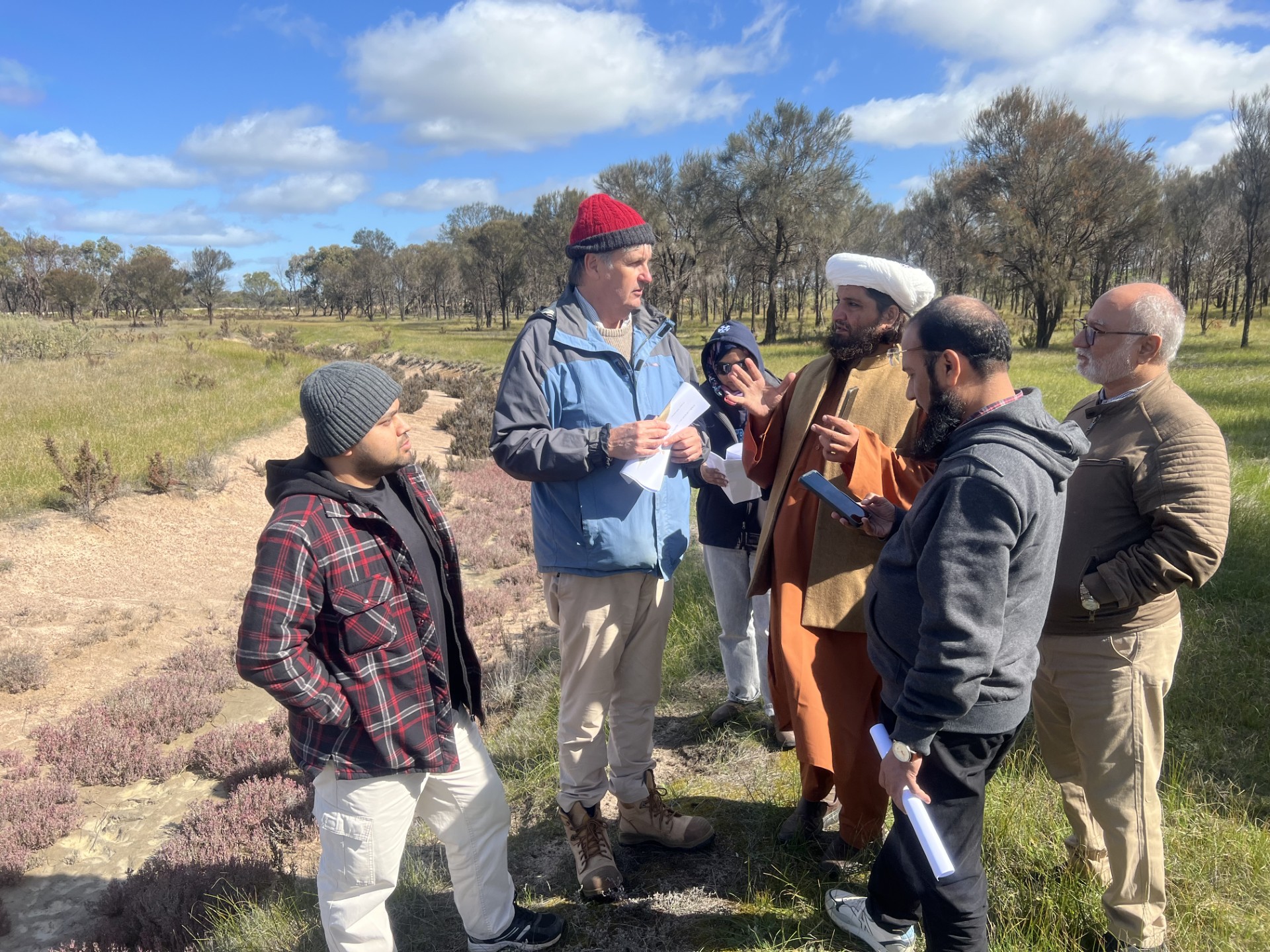
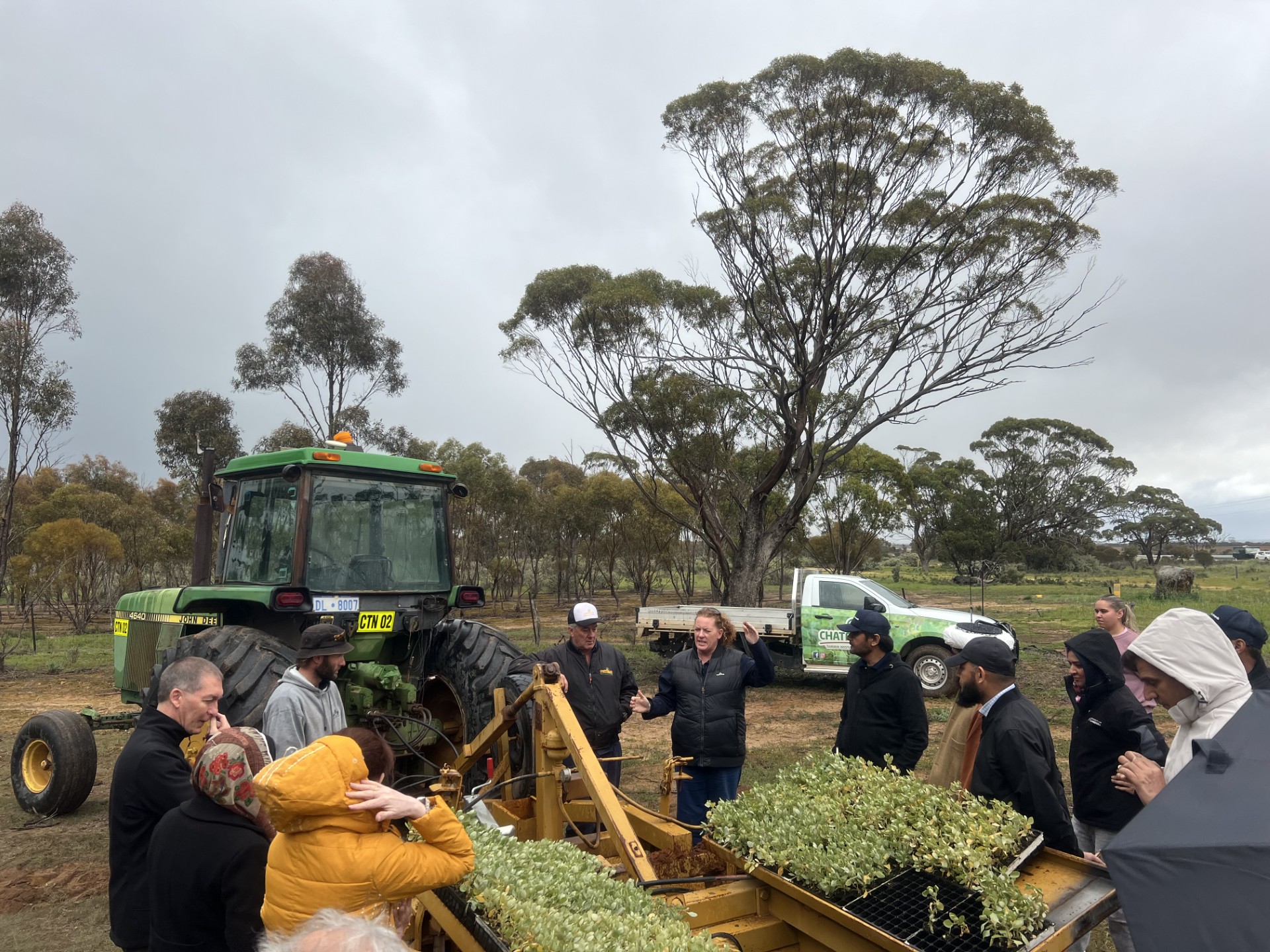
In Western Australia, participants engaged with Murdoch University researchers, farmers and other practitioners to observe salinity management in practice.
Field-based learning explored how the planting of salt-tolerant trees and shrubs, including broader landscape interventions, can contribute to salinity management while supporting agricultural productivity, local businesses, livestock systems, biodiversity, carbon sequestration and resilient rural livelihoods.
The program was led by CEG researchers Professor Darren Sinclair and Professor Lain Dare, and HDR students Faizan ul Hasan and Bareerah Fatima, with contributions from a wide network of collaborators across Australia.
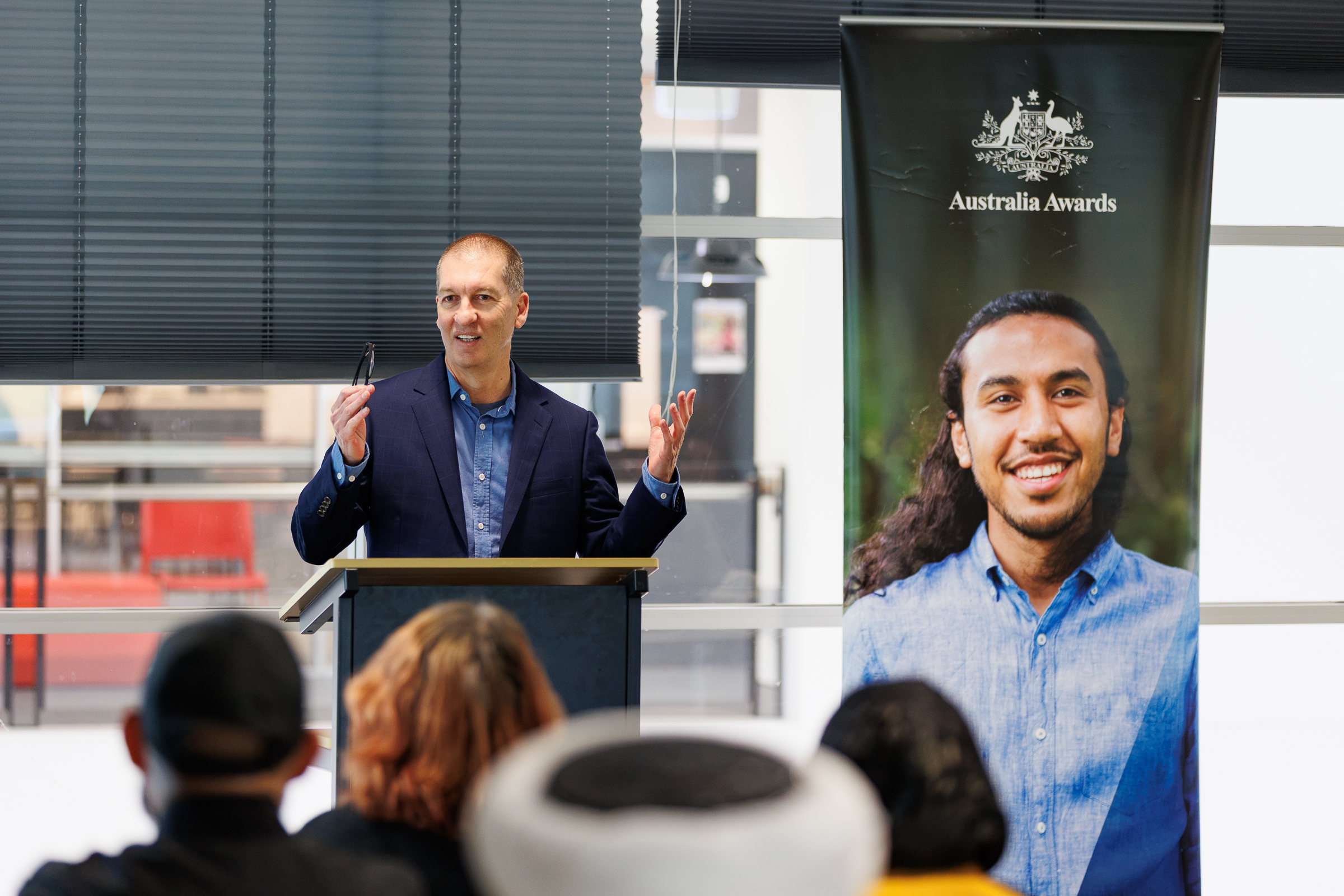
“We are very grateful to Dr Ed Barrett-Lennard and Professor Richard Harper from Murdoch University for their generous support in facilitating and arranging the field visits in Western Australia,” Professor Sinclair said.
“What made these discussions particularly valuable was the opportunity for genuine two-way learning,” Professor Dare said.
” Rather than simply transferring Australian solutions to Pakistan, we explored which lessons might be relevant, how they would need to be adapted, and how stronger connections between science, policy and practice can support more effective salinity management.”
Building resilient saline landscapes requires strong science, meaningful partnerships and solutions designed with – not simply for – the communities who will put them into practice.
Participants emphasised the need to build trust among farmers, researchers and policymakers; strengthen institutional collaboration; ensure that research responds to farmers’ priorities; and involve farmers as collaborators rather than simply as recipients of research.
The program highlighted the importance of moving beyond individual technologies towards whole-of-farm and whole-of-system approaches.
“A key part of the discussion was how we can move beyond single solutions and combine approaches such as agroforestry, carbon sequestration, climate-smart and regenerative agriculture, and alternative livelihood options. The challenge is to develop responses to salinity that are not only environmentally sustainable, but also economically viable for farming communities,” Professor Sinclair said.
The Fellows identified potential areas for future collaboration including the importance of farmer participation and knowledge development, with a focus on farmer led learning and stronger agricultural extension and communication. Exploring the potential for greater use of nature-based solutions, and opportunities for farmers to benefit from carbon sequestration through on-farm tree planting was also discussed, alongside the associated development of markets for products from saline landscapes.
By bringing together researchers, policymakers and practitioners from Australia and Pakistan, the Fellowship strengthened professional networks and built a shared understanding of practical ideas to inform future research, policy and on-ground action.
Learn more about Australia Awards Fellowships at this page.


