


Fleta Page
11 March 2026: Alex* was just 39 when an illness caught on a snowboarding holiday in the United States turned his life upside down. What started with a heavy cold left him in a Canberra psychiatric facility with suspected schizophrenia.
A series of events had actually left him with delirium – a short-term cognitive impairment that is a stress response caused by acute illnesses or medical complications. It is most commonly seen in older people in hospital, where the confusion, agitation and delusions can be mistaken for dementia.

Professor Kasia Bail from the University of Canberra’s Centre for Ageing Research and Translation (CARAT) has spent the last decade researching the condition, and today – World Delirium Awareness Day – was thrilled to see the launch of the trial of a diagnostic toolkit – developed by the University in conjunction with Southern Cross University – in three Canberra hospitals.
PREDICT (the Prevention and Early Delirium Identification Carer Toolkit) is a multimedia resource that empowers carers and nurses to prevent, recognise and respond to early signs of delirium. Early recognition is crucial for better patient outcomes – and can potentially save the Australian healthcare system millions of dollars annually.
“This trial comes out of a longstanding team effort between Canberra Health Services and UC to improve care of people with cognitive impairment in all settings, and particularly in hospitals,” Professor Bail said. She hopes educating people in the hospital setting will help raise awareness of delirium more broadly.
Alex believes the trial has the power to help prevent future cases like his.
“If delirium had been on the hospital staff’s radar, I probably would have been treated differently, but because of my age, and because of my state when I came in, I think they just thought I smoked some ice or something!” he said.
Alex’s journey began with a heavy cold caught during a three-week long winter holiday in January 2022. He was left feeling exhausted and unwell, along with a slight sense he couldn’t make rational decisions. A COVID-19 test came back negative, so when the time came, he got on the plane home.
“Essentially, I had a panic attack on the plane. I didn't have any history of mental ill health or illicit substance use or anything like that. And it got worse and worse,” he said.
“By the time I had landed back in Australia, I was experiencing a whole range of different psychiatric symptoms.”
His GP prescribed him medication to help battle the illness and jet lag, but it had little effect.
“I was starting to borderline into a bizarre, paranoid, referential, delusional state, so my girlfriend at the time called an ambulance,” he said.
After a short stay in Canberra Hospital to treat his respiratory illness, Alex was moved to a mental health unit.
“The initial diagnosis was that I had some sort of long-term mental illness – essentially, they thought that I might have schizophrenia. But it just didn't align with anything in my history other than this very major event,” he said.
Alex was put on anti-psychotic drugs – which have a suite of side effects that can include, paradoxically, delirium – before he was discharged and could then see a psychiatrist for a post-discharge review of his case. She retrospectively diagnosed him with hyperactive delirium. It was the first time he had heard of it.
“She thinks the underlying cause was the pneumonia-like illness that I had,” Alex said. The early cognitive effects he had recognised were worsened by the long-haul flight home, which Professor Bail explains mirrors the hospital conditions that often bring on delirium.
“Hospitals can be like a long-haul flight – confined in a restricted space with strangers and limited choices, and this situation, combined with complex illness and medications, can affect brain function,” she said.
Alex had to be weaned off the anti-psychotic medication over 12 weeks, after which he was able to return to work and resume regular daily activities. He is fully supportive of the PREDICT trial – which will see older adults admitted to the surgical and medical trial wards at Canberra Hospital, North Canberra Hospital and University of Canberra Hospital, invited to participate.
“Anything that ensures the right care is applied is a really good thing, and it’s great that this type of work is being funded and that Canberra Hospital is doing something about it,” he said.
Professor Bail explains the initial rollout targets those at the highest risk of delirium, but she would love to see it expand in the future.
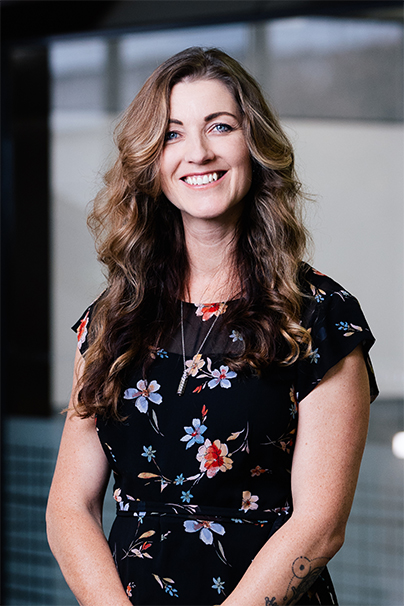
“Anybody can get delirium, however, it’s most common in older adults in hospital. Delirium is likely to last longer in older people and have more consequences, like other complications and long hospital stays – that's why this program is so important,” she said.
Canberra Health Services’ Executive Director of Nursing and Midwifery, Kellie Lang, says delirium is one of the most distressing experiences a patient and their family can face in hospital.
“Delirium can be hard to identify early. Working in partnership with carers through the PREDICT model will help us recognise changes and intervene quickly,” she said.
Janette Moore’s elderly mother was diagnosed with delirium soon after having a procedure under general anaesthetic in a Queensland hospital. While delirium had been flagged as a potential complication, the diagnosis was the start of a steep learning curve for Ms Moore as a carer.
“I didn't know the extent or severity of delirium, or how scary it could be for the person. People just think, ‘oh, you're seeing things, that’s funny' – but it's really not like that. They get very fearful. [For my mother], it was particularly frightening being in hospital overnight when she was first experiencing it,” she said.
Ms Moore says it is vital for carers to be educated about the condition.
“It is resolvable, so carers need to understand what causes it, and how they can help their loved one … nutrition, hydration, asking the doctors about medication and how it may be affecting them. Sleep is a big factor as well,” she said.
“Keep things that are familiar around them – both in the hospital and at home – and have a quiet, calm presence.”
PREDICT’s three-year study involves more than 2,500 patients in hospitals in NSW, the ACT and Queensland and aims to reduce the incidences of delirium and associated hospital costs, and ultimately, to drive systemic change in delirium management.
The project has the backing of a $1.34 million grant from the National Health and Medical Research Council (NHMRC).
*A pseudonym has been used to protect Alex’s privacy.


