


11 June 2026: Tendons are crucial for human movement and when they are injured, it can significantly impact daily life. New research from the University of Canberra has for the first time quantified the psychological experience of people with tendinopathy, with important implications for the treatment of this common affliction.
Tendon pain, or tendinopathy, is an overuse injury generally attributed to one of two causes: a sudden change in physical activity, or through regular repetitive activities such as lifting, running or jumping.
Tendinopathy is very common, even amongst non-athletes. For example, gluteal tendinopathy, causing pain in the hip, affects one-in-five middle aged women, while rotator cuff tendinopathy accounts for more than half of all shoulder pain conditions.
‘Tennis elbow’ or lateral elbow tendinopathy, affects up to three per cent of the general population and despite its name, can be caused by activities involving gripping and repetitive motions of the wrist such as painting, manual labour or using handheld tools.
What’s more – these injuries have a median recovery time of 20 months – significantly longer than muscle tears and broken bones. One Achilles tendinopathy study showed that 20 percent of people with this condition were still symptomatic 10 years later.
A new paper by PhD researcher Jack Mest, from the UC Research Institute for Sports and Exercise (UCRISE), explored the unique psychological profile of people suffering persistent tendinopathy pain.
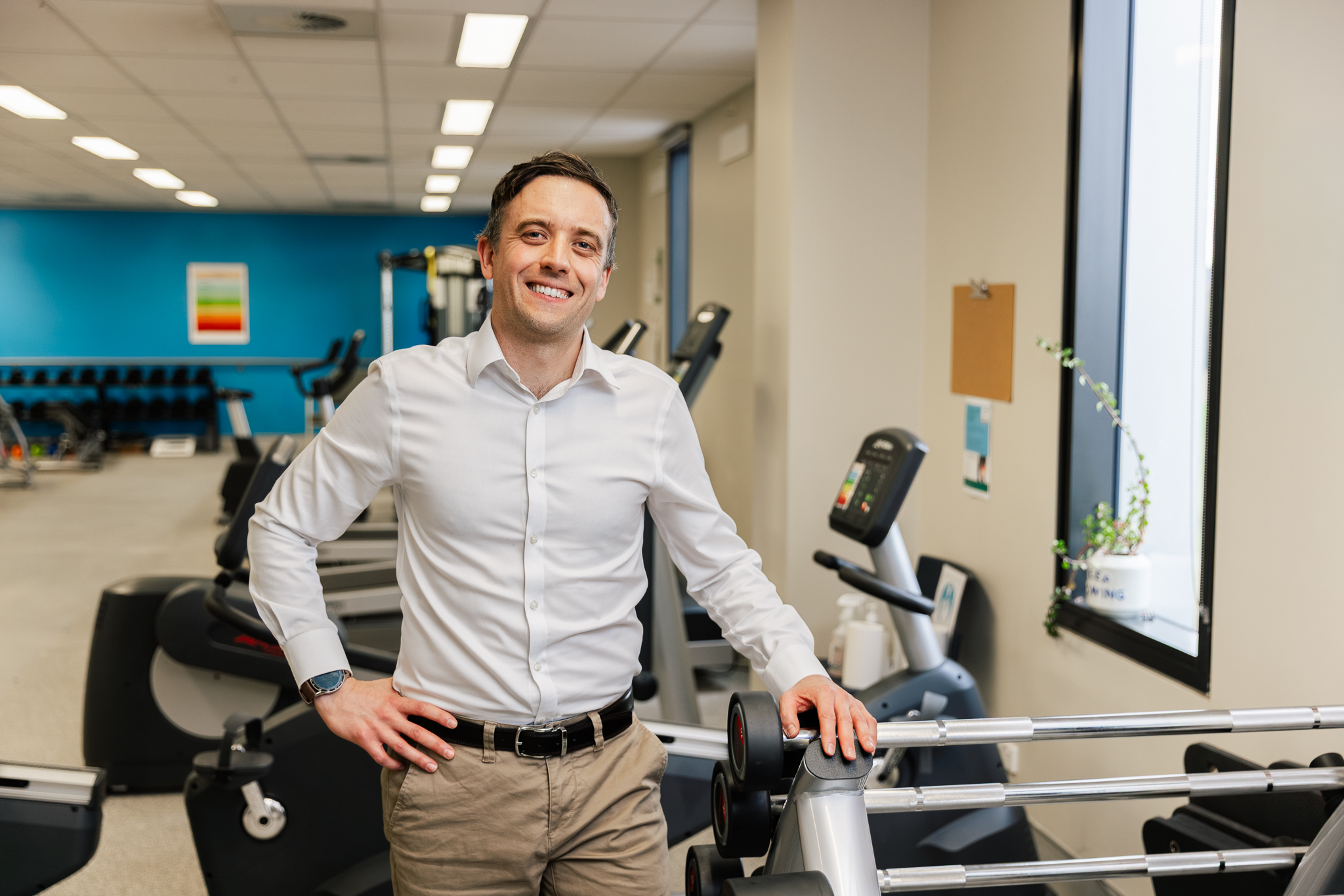
His findings reveal that the psychological experience of tendinopathy may be different to that of other chronic pain conditions, with a tendency to have negative orientated thoughts regarding pain rather than fear of pain. This differs from other musculoskeletal conditions like lower back pain, where fear of pain or re-injury is thought to be a central to the development of chronic pain.
“We know that chronic pain has mental health consequences. Our study found that those with tendon pain had a negatively orientated outlook regarding their recovery, often feeling helpless and worried. We also found that those with tendon pain had higher symptoms of depression and anxiety compared to their healthy counterparts,” Mr Mest said.
“Tendon pain can affect many aspects of daily activity, making it feel inescapable. People with tendinopathy might find it harder to enjoy activities including exercise. This, combined with the frustration of why the injury doesn’t follow a typical recovery timeline, may also be part of the reason we are seeing a psychological burden with this injury.”
The systematic review, published in the Journal of Orthopaedic and Sports Physical Therapy, highlights that people with tendinopathy experienced elevated pain catastrophising compared to those without tendinopathy. He says these findings mirror the experience of his patients.
“By the time they're coming into the clinic, their pain has usually persisted for quite some time. These people are often resigned to the fact that they will not be able to return to their previous level of activity. These injuries are often a slow burn, not always preventing participation but wearing away at people slowly, with pain constantly in the background, reminding them of the injury while they work or exercise” Mr Mest said.
The results of his study suggest that physiotherapist-driven, psychologically informed care may be beneficial when treating people with tendinopathy. However, further work needs to be done to determine how this effective this approach would be.
“Psychological factors are an important part of the pain experience for other musculoskeletal pain conditions, such as chronic lower back pain and knee osteoarthritis. This has led to changes in how we approach treatment of people with chronic pain. We now have the biopsychosocial model of care which, in essence, tells us that we need to understand the person behind the injury to help get them better. Unfortunately, this biopsychosocial approach is much more limited in the world of tendinopathy,” Mr Mest said.
“Our research highlights the critical need for patient-centred care for tendinopathy patients and that the person behind the tendinopathy – their beliefs, vulnerabilities, feelings as well as contextual factors really matter!”
A feasibility study testing psychologically informed care approaches in Achilles tendinopathy is currently underway at UCRISE. Those interested in taking part are encouraged to find out more here.


