


Kelly White
4 February 2026: A new PhD project will investigate the impact of head injuries in junior sport, bringing together University of Canberra researchers and industry leaders to create safer games and healthier brains.
Experts in movement control from PrismNeuro, a local health research startup based at the Australian Institute of Sport (AIS), will work closely with UC PhD student Nicole O’Connor to conduct research into this understudied area. Ms O’Connor’s own son has experienced concussion through junior sports.
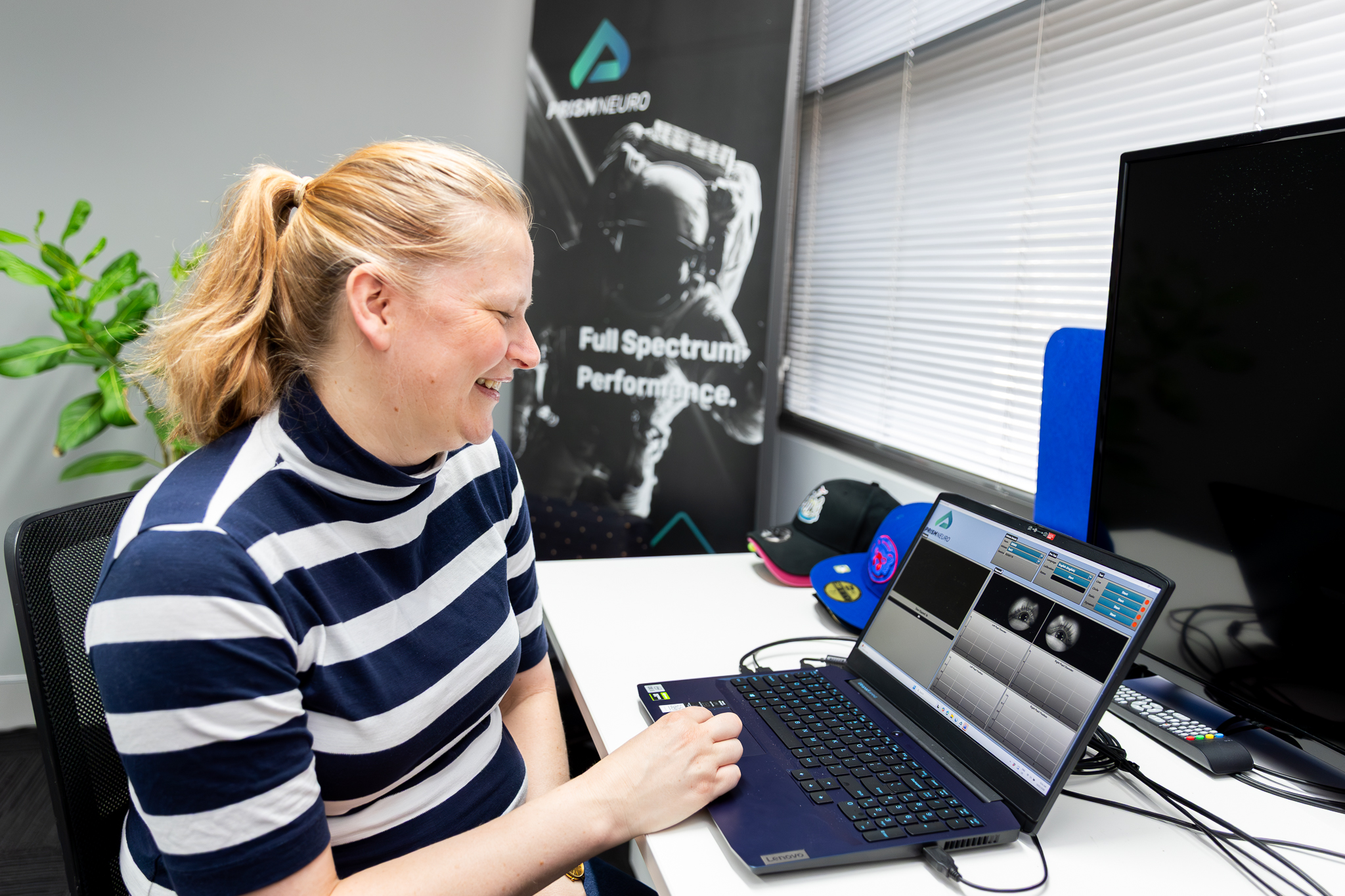
“The concussion had a much longer recovery process than we anticipated, and it had such an impact on what my child was able to do – particularly for a mild head knock,” Ms O’Connor said.
As a neuroscientist, it led her to wonder about the effects these injuries can have on young people – particularly as at junior and grassroots levels, the management of concussion and head injury can vary greatly.
“I was interested in changes to concussion protocols and treatment – they’ve changed so much over the last 15 years since I was playing sport – which I found fascinating,” Ms O’Connor said.
“I had always wanted to return to academia once my children were a bit older, and this was the perfect opportunity.”
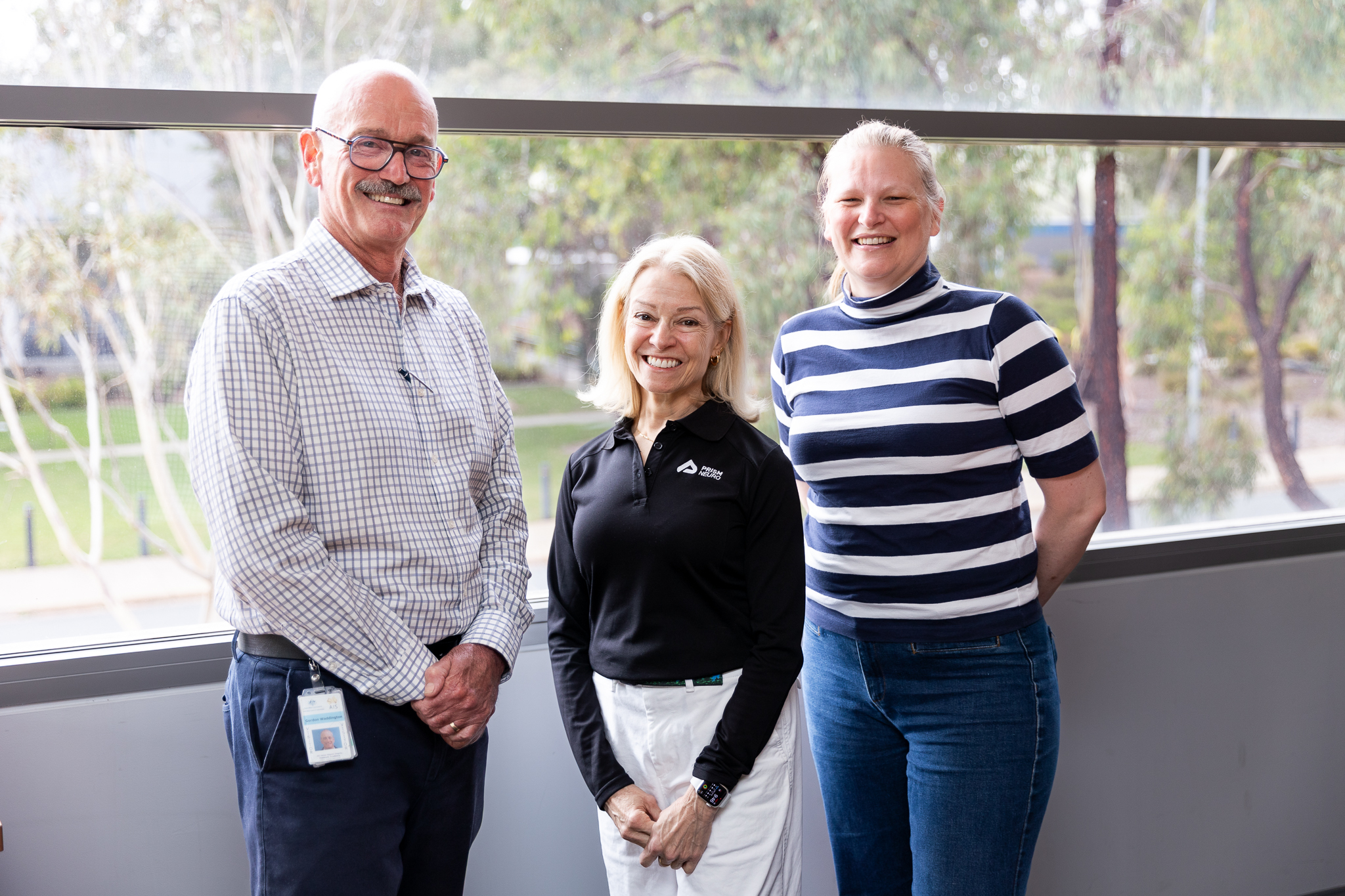
She begins her candidature this semester under the supervision of Professor Gordon Waddington, a Professor of Physiotherapy at the University and one of the three co-founders of PrismNeuro, which was established in 2020.
Ms O’Connor will utilise PrismNeuro’s unique sensory-motor assessment system to begin collecting data throughout the upcoming winter sports season in Canberra.
While PrismNeuro has worked extensively with professional sports athletes, including the Canberra Raiders, to keep professional athletes performing at optimal capacity, this segue into the junior years has long been on the cards, and joins several other UC research programs focused on movement control across the ages.
“While we've done a lot of work with high performance squads around Australia, we also have research programs looking at proprioception – the sense of self-movement, and where your body is in space – in older adults, which can predict falls, and the impact on the brain, post-COVID,” Professor Waddington said.
PrismNeuro CEO and co-founder Elizabeth McGrath says high quality research that can be applied to the real world is vital for the company.
“At PrismNeuro, everything we do is underpinned by science, so working with universities is core to what we do. These partnerships help to ensure that highly technical health research doesn’t take place in silos, and that the broader community can benefit from innovations in health research.”
She points to the lack of accessibility for head injury healthcare at the junior level as a driving motivation for working alongside the University.
“Currently, if a child gets a head knock on the weekend, they might go to a GP, depending on how bad their symptoms are, and that GP might refer them to a neurologist for a digital assessment, but that’s unlikely,” Ms McGrath said.
The project is a promising example of the value of industry-university partnerships in producing research for the real world.
“Working with industry in partnerships like these really gives that applied touch to the work and enables research that might have not been financially possible. This project has direct applicability to the local community, making sports safer and healthier,” Professor Waddington said.
“Head injuries, particularly repeated head injuries, can have major impacts on the brain, and those impacts continue as we go on to become adults. We need to develop more information about that.”


