The TIS&HL program was established to reduce smoking rates, the incidence of chronic disease, and early death in Aboriginal and Torres Strait Islander communities. The program delivered community education activities to reduce health related risk factors for preventative chronic disease. These risk factors included the uptake and prevalence of smoking, poor nutrition and sedentary lifestyles.
During this first funding period, the program’s objectives aimed to:
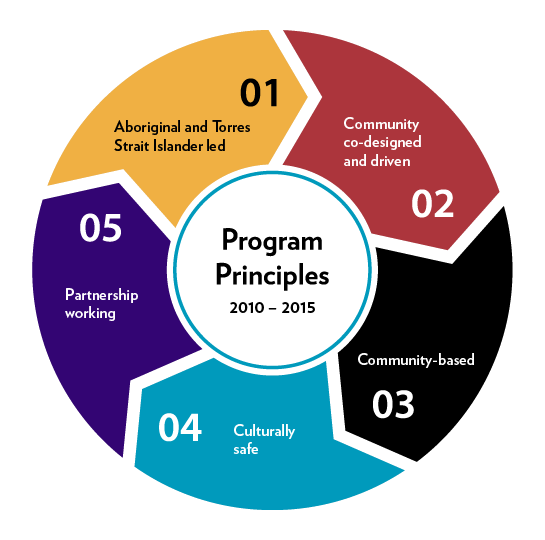
The TIS&HL principles in the initial funding period of 2010–2015 were:
Program delivery was provided primarily through 82 regional teams, funded to deliver tobacco and healthy lifestyle health promotion activities. Host organisations were mostly, but not exclusively, community-controlled health services.



Our digital repository of resources displays activities conducted by all TIS teams across each funding period.
Explore TIS activities across all funding periodsCo-designed social marketing campaigns were used by RTISHL teams to change people’s beliefs and attitudes towards smoking and promote healthy lifestyles.
RTISHL teams developed links with community members, Aboriginal Healthcare Practitioners, and local organisations including Community Controlled Health Services, schools, youth clubs, and sports clubs, as well as regional and national organisations (e.g. National Heart Foundation; Regional Cancer Councils).
A key activity for RTISHL teams who delivered a range of educational activities to improve the understanding of the health and economic impacts of smoking, and the importance of healthy eating and physical activity. Most activities took a holistic approach to health education, providing links between smoking, nutrition and physical activity.
Teams provided smoking cessation advice and tools to individuals and communities. This included running local quit support groups and providing Nicotine Replacement Therapy to participants.
School-based activities were carried out to educate young people on the harms of smoking and encourage healthy eating and participation in physical activity.
Resources were developed and distributed to educate, increase awareness and make meaningful impact in communities. This included brochures, fact sheets, videos and posters that supported TIS activities.
An independent review of the TIS&HL program, conducted by the University of Canberra Health Research Institute established the successes of the program and identified elements for enhancement. The review provided advice to the Australian Government on options for renewed action to reduce the impact of smoking and other health related risk factors Aboriginal and Torres Strait Islander peoples and communities. Read the executive summary.


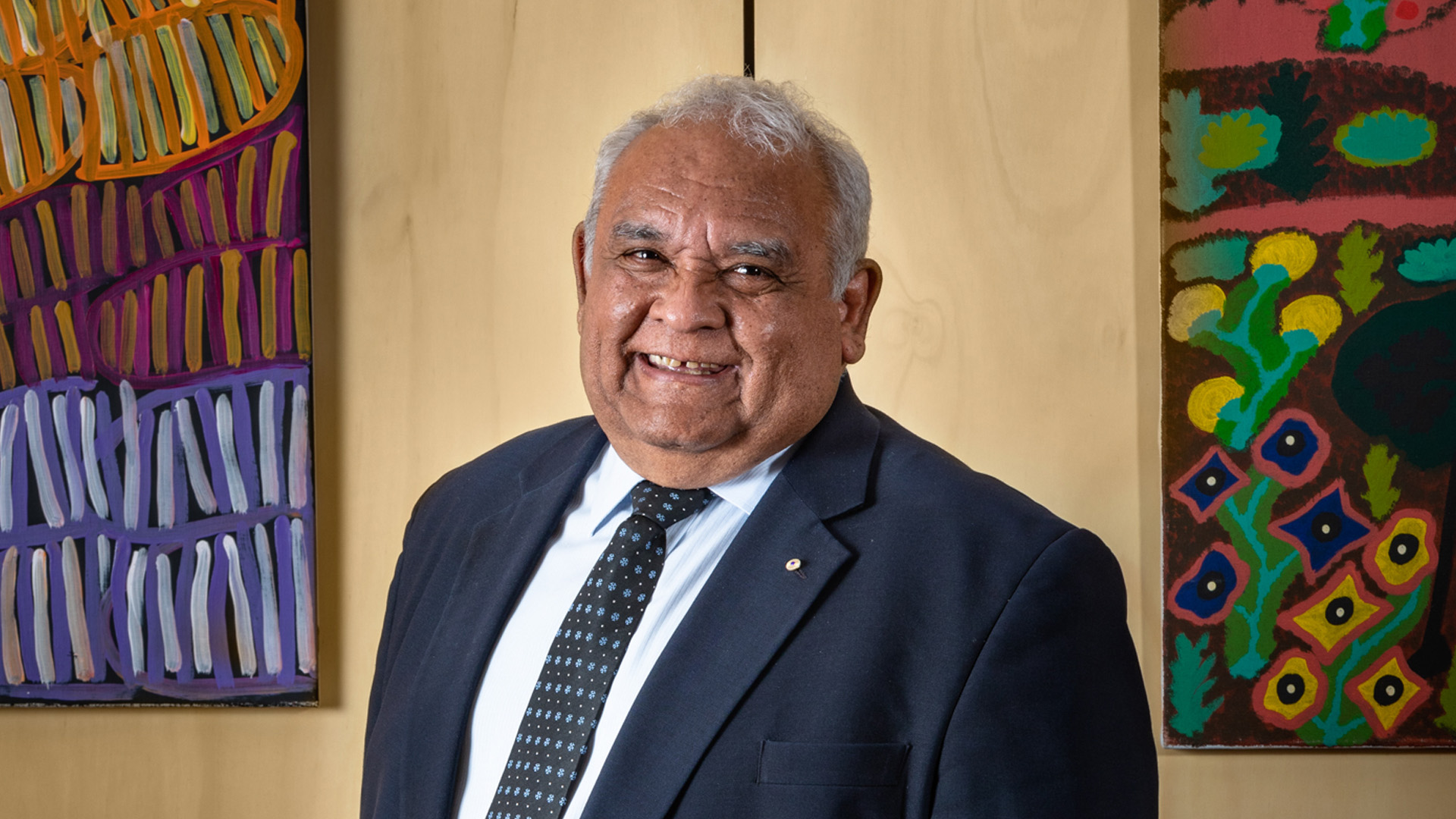
In 2005, Aboriginal and Torres Strait Islander Social Justice Commissioner Tom Calma, called on the government to take real action to achieve health equality among Aboriginal and Torres Strait Islander peoples. His Social Justice Report 2005 sets out a human rights framework to achieving improvement in health status.
This report led to the community driven response, of National Close the Gap Day in 2007. The aim of the Close the Gap movement is to bring people together, raise awareness and create meaningful change for Aboriginal and Torres Strait Islander communities.
In 2008, the government announced the “Closing the Gap” initiative, in response to the 2005 Social Justice Report. Initially six targets were set, aimed at improving the lives of Aboriginal and Torres Strait Islander peoples. These targets addressed child mortality rates, early childhood education in remote communities, literacy and numeracy, Year 12 attainment, employment, and closing the gap in life expectancy between Aboriginal and Torres Strait Islander peoples and and non-Indigenous Australians within a generation (by 2031).
In 1989, the National Aboriginal Health Strategy (NAHS) was established as a landmark document in Aboriginal and Torres Strait Islander health policy. It articulated Aboriginal and Torres Strait Islander people’s health aspirations and goals within a rights-based framework.
National Strategic Framework for Aboriginal and Torres Strait Islander Health (NSFATSIH) 2003–2013 is a complimentary document to the 1989 National Aboriginal Health Strategy (NAHS).
It aims to guide government action through a coordinated, collaborative and multisectoral approach supported by Aboriginal and Torres Strait Islander health stakeholders.
The overarching goal it to ensure that Aboriginal and Torres Strait Islander people enjoy a healthy life equal to that of the general population that is enriched by a strong living culture, dignity and justice.
Learn more about the NSFATSIHAustralia signed up to the WHO Framework Convention on Tobacco control in 2003 to help reduce tobacco use. It is a legally binding convention where countries who sign must carry out measures to combat tobacco use through tobacco-related actions and policies.
Learn more about the WHO FCTCIn 2006, the first report against the Aboriginal and Torres Strait Islander Health Performance Framework (HPF) was developed.
The HPF has been developed under the Australian Health Ministers’ Advisory Council to provide the basis for measuring the impact of the National Strategic Framework for Aboriginal and Torres Strait Islander Health (NSFATSIH) and inform policy analysis, planning and program implementation.
Learn more about the HPFIn 2011, the Australian Government Department of Health and Ageing launched the Break the Chain media campaign, the first Aboriginal and Torres Strait Islander-specific television commercial as part of a national health campaign.
Watch the Break the Chain TV adThis evidence-based policy framework was designed to guide policies and programs to improve Aboriginal and Torres Strait Islander health. Twenty goals were set to be achieved by 2023 in the Implementation Plan . Five of the goals are related to smoking. These include:
These goals contribute to achieving equality of health status and life expectancy between Aboriginal and Torres Strait Islander peoples and non-Indigenous Australians.
Learn more about the Health PlanThe National Tobacco Strategy was first released in 1999 and acts a policy framework for the Australian Government and state/territory governments to collaborate with non-government agencies to improve health and reduce tobacco harm.
In the 1999–2003 strategy, it was recognised that there needed to be action to reduce smoking prevalence among Aboriginal and Torres Strait Islander peoples. This led to the launch of the National Aboriginal and Torres Strait Islander Tobacco Control Project, a joint initiative between the National Aboriginal Community Controlled Health Organisation and the Department of Health and Aged Care.
The National Tobacco Strategy aims to align with the National Agreement on Closing the Gap but strengthening efforts to prevent and reduce tobacco use among Aboriginal and Torres Strait Islander peoples.
Read more about the National Tobacco StrategyTackling Indigenous Smoking
info@tacklingindigenoussmoking.com.au
1800 662 447 (1800 NO CIGS) – Toll free

