What is ALASRO?
The Australia-Latin America Studies and Research Organisation, or ALASRO, is an institutional initiative of the University of Canberra. It is a collaborative platform and strategic hub that promotes, coordinates and facilitates academic activities, scientific studies and research. It brings together higher education institutions and research centres in Australia and Latin America and is creating a growing network of networks for joint scholarly discussion, joint publications and academic and scientific exchange. Through this network of networks, ALASRO establishes a bi-regional axis that links academia with the public and private sectors.
ALASRO’s ultimate purpose is to promote and create genuine bi-regional cooperation, through knowledge and sustained academic and scientific engagement, as a new form of knowledge diplomacy or what we call academic diplomacy. This cooperation is based on equity, authentic interests and complementary capabilities, for the reciprocal benefit of the populations of both regions. The scope of ALASRO covers the social sciences and humanities as well as the natural and exact sciences.
Why is it needed?
ALASRO addresses a long-standing gap between Latin America and Australia. It connects their tertiary and scientific ecosystems, removes institutional barriers and builds personal connections, creating mutual understanding and symmetrical cooperation.
Through joint programmes, co-designed projects and transcontinental exchanges, it supports forms of cooperation that traditional diplomacy and state politics often find difficult to achieve, particularly in times of global uncertainty, when partnerships must diversify around practical alignment and shared priorities. It is a pioneering a ‘South Trans-Pacific’ academic and scientific alliance and a third way for cooperation built through knowledge, in this part of the world.
Argentina

Bolivia

Brazil

Chile
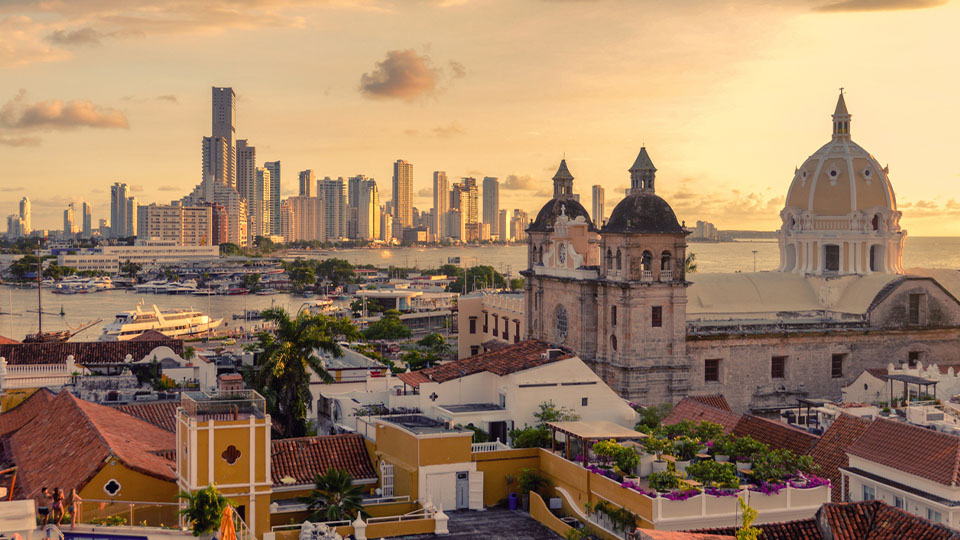
Colombia
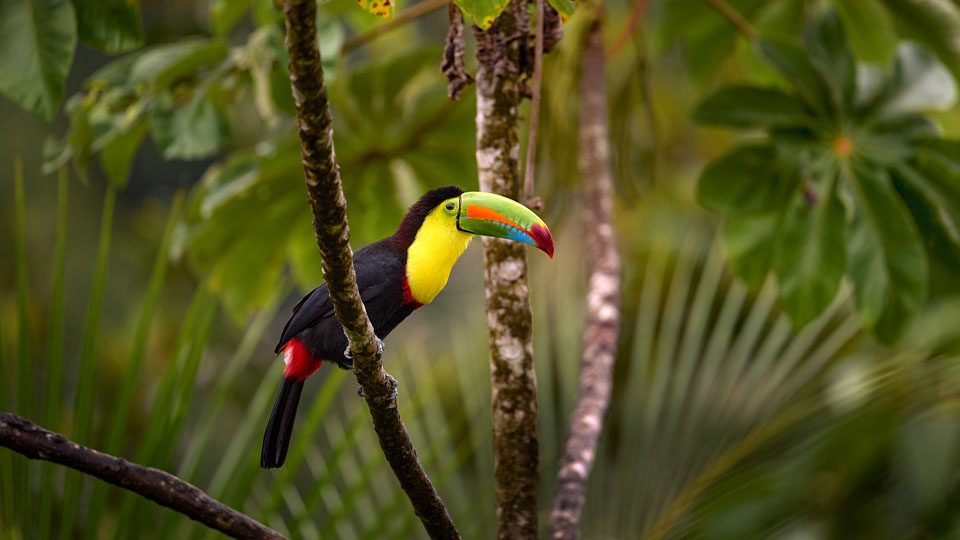
Costa Rica
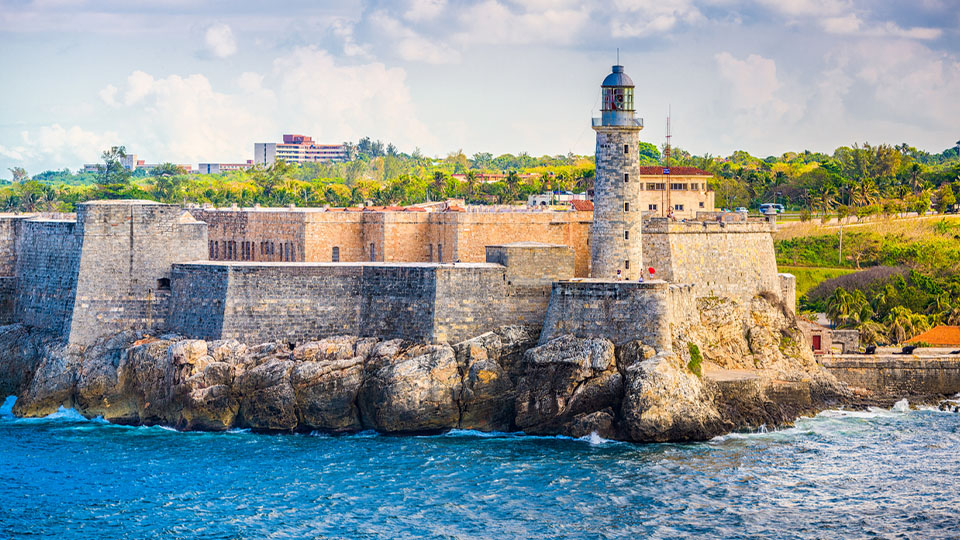
Cuba

Ecuador
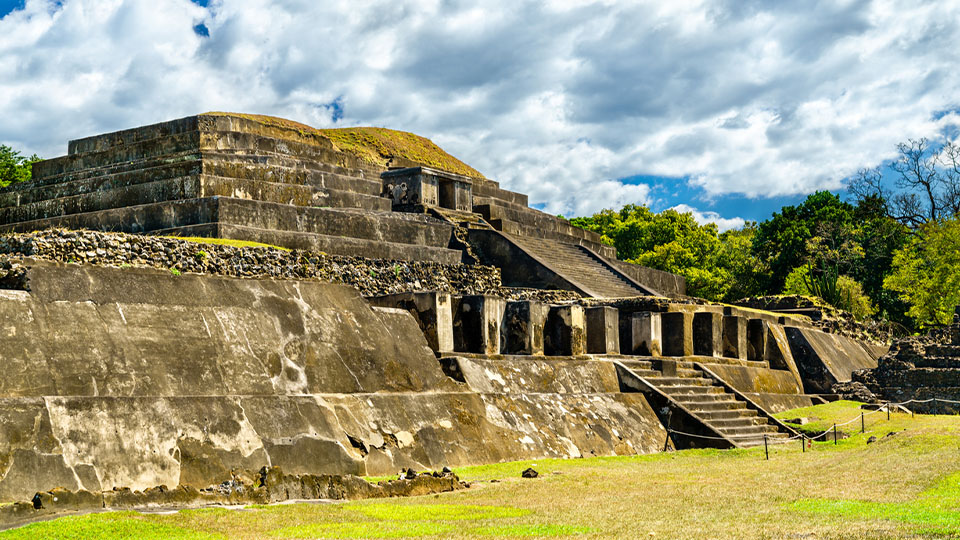
El Salvador
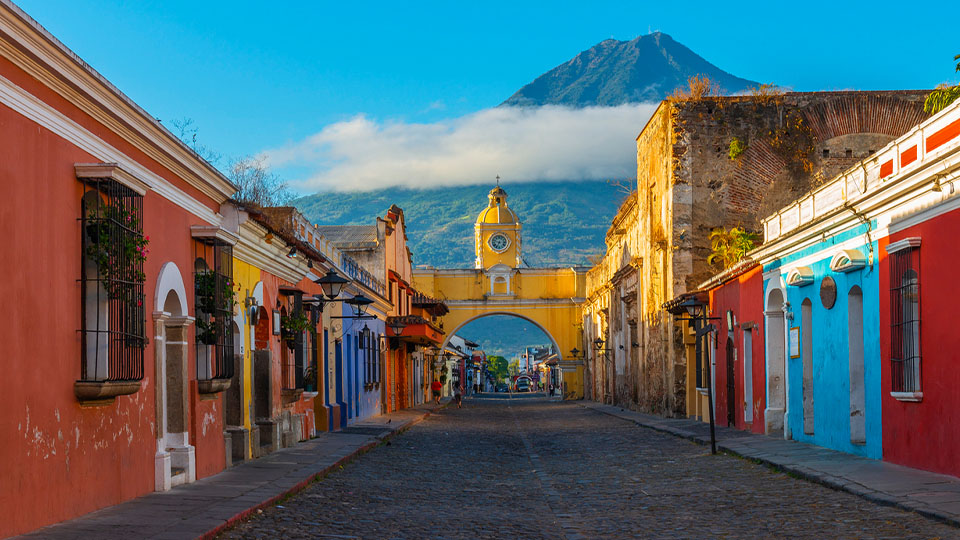
Guatemala
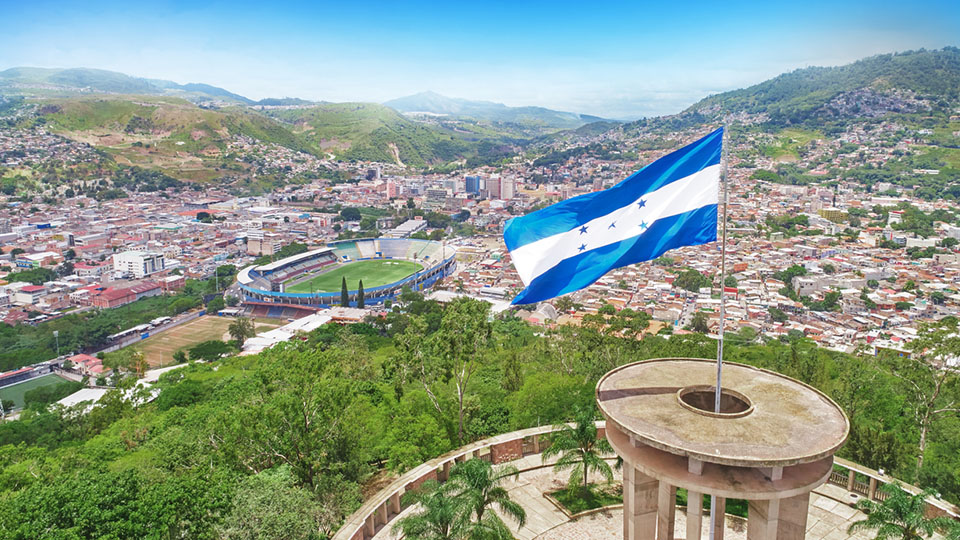
Honduras

Mexico
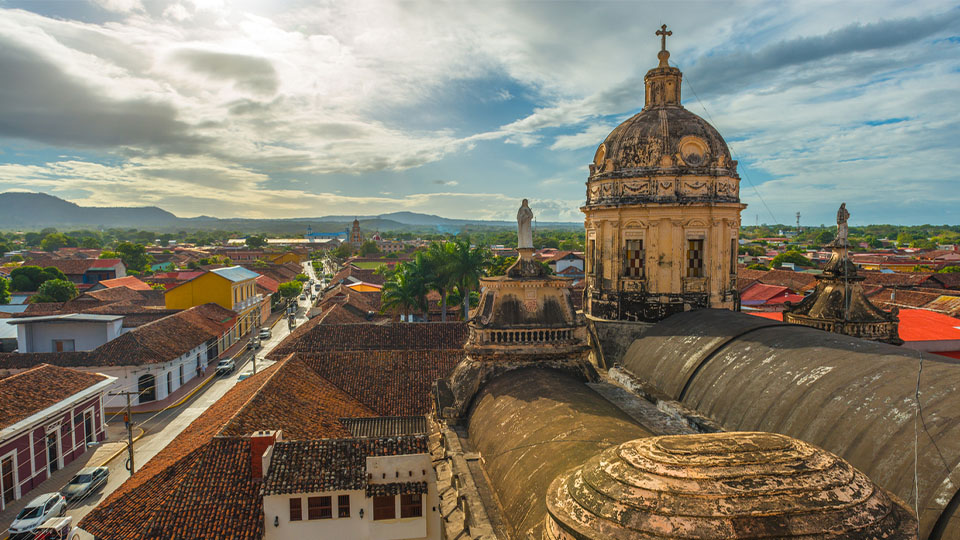
Nicaragua
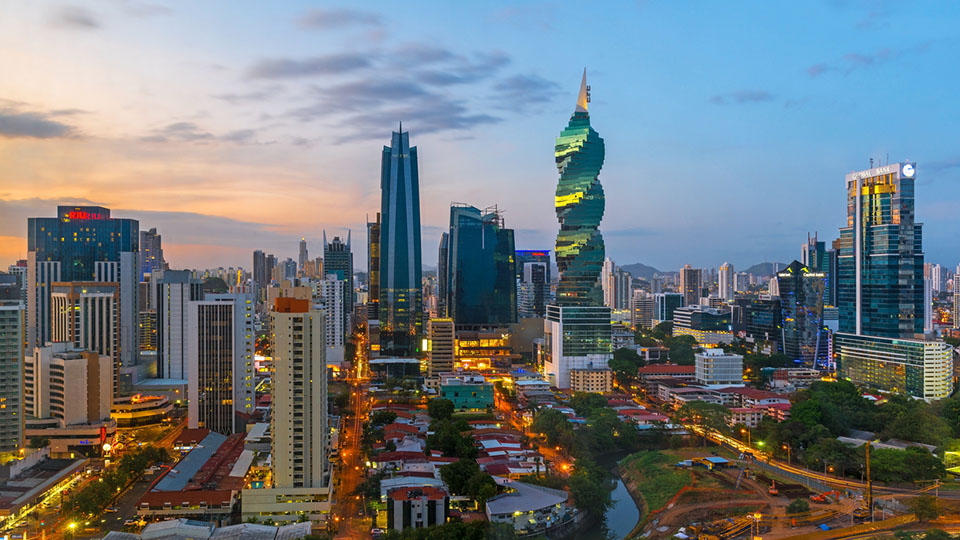
Panama
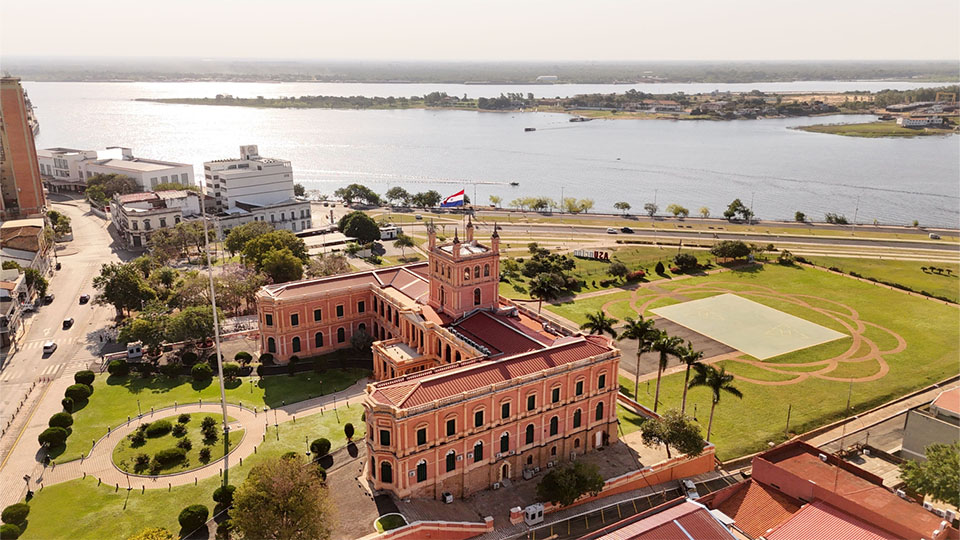
Paraguay
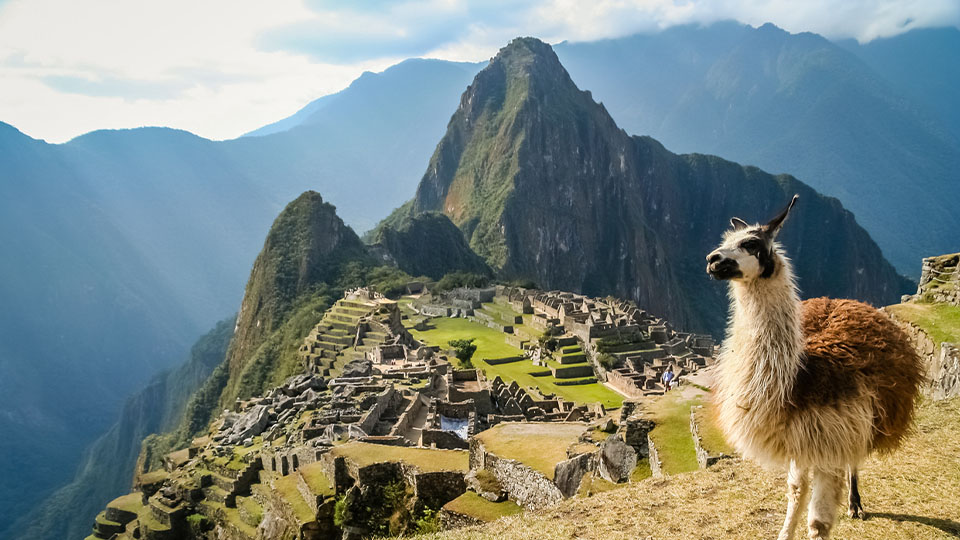
Peru
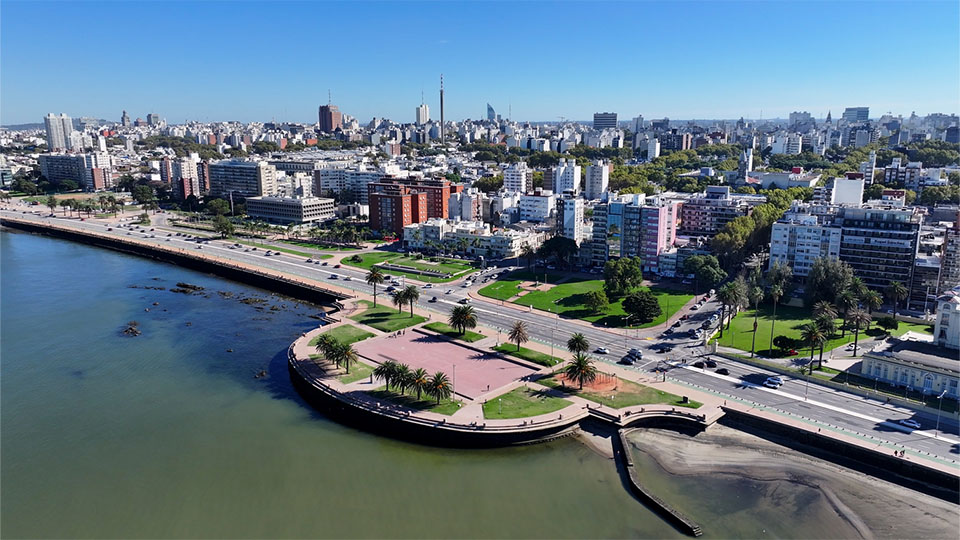
Uruguay
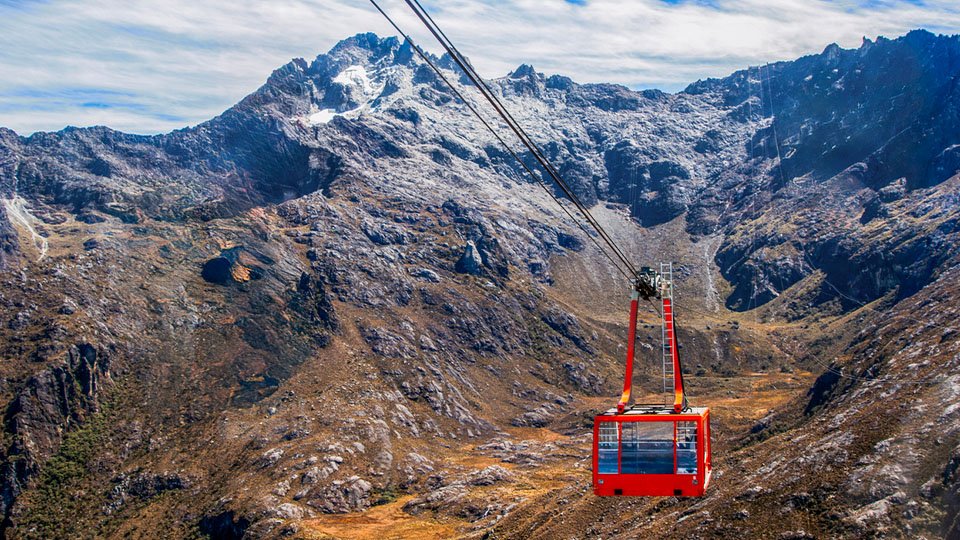
Venezuela
Vision and mission
To be a principal platform for trans-Pacific academic cooperation, where science, policy and industry meet. ALASRO will set standards for multidisciplinary research and for cross-regional influence in the corridor between Australia and Latin America. It will become the Southern Hemisphere’s leading resource for Australia-Latin American studies. To that end, it will evolve from joint academic undertakings into a growing network of networks for knowledge exchange. Ideally, a later stage will add specialised graduate degrees and faculty courses.
To build an academic and scientific bridge between Australia and Latin America, together with universities, think tanks and technical and scientific institutions in both regions. This bridge rests on joint studies and high-level research with practical, transcontinental outcomes, and aims to create bi-regional cooperation on the basis of equity, through knowledge. By bringing academia, public policy and industry together, it facilitates the process of navigating regulatory, technical and social environments for stakeholders, which additionally supports trans-Pacific investment.
Official launch of the Australia-Latin America Studies and Research Organisation at the University of Canberra.
When: 23 November 2026, 6pm to 9pm
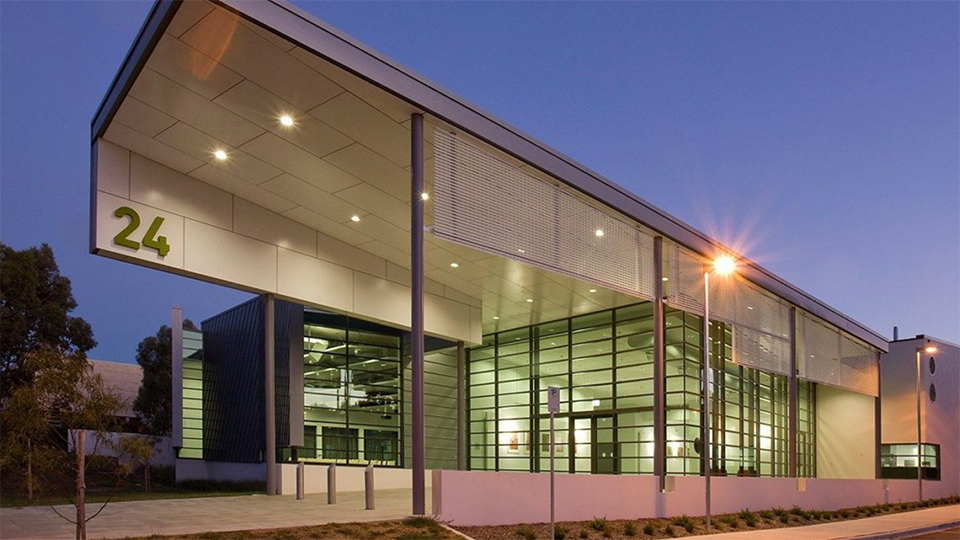
Where: Ann Harding Conference Centre, 24 University Dr South, Bruce ACT 2617
Message from the Vice-Chancellor and President
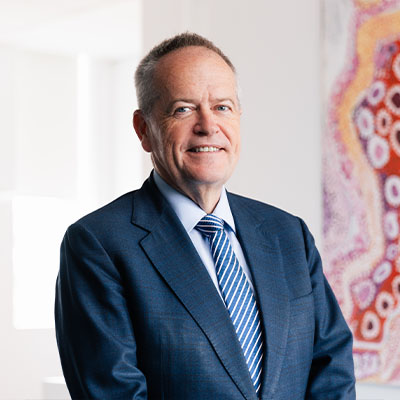
Australia and Latin America face each other across the Pacific, and for too long our universities have known little about each other.
ALASRO is the University of Canberra’s response. It brings together universities, research centres, public institutions and industry from both regions to cooperate on the basis of equity, through knowledge. The work is practical: joint studies, joint publications and co-designed projects that deliver outcomes for people on both sides of the Pacific.
Universities have a part to play in how nations relate to one another. Diplomacy opens doors. Knowledge keeps them open. Good neighbours work together on the problems they share, from climate and marine science to health, technology and the future of work, and they do it as equals.
The University of Canberra is not the largest university in Australia. We intend to be among the most useful. ALASRO has begun, and it grows with every partner who joins. I invite universities, researchers, governments, businesses, diplomats and students in Australia, Latin America and beyond to be part of it, and to help change the way our two regions work together.
Professor the Honourable Bill Shorten
Vice-Chancellor and President
University of Canberra

Richard Andrews
Chair of the Advisory Board
Richard Andrews, Chair of the Advisory Board
Richard Andrews is an accomplished executive, entrepreneur and chairman with four decades of leadership in industrial engineering, international trade and business transformation. A UNSW qualified Industrial Engineer, he led construction of the Southern Hemisphere’s largest LPG storage facility and served as President of the Australian LP Gas Association (Queensland).
Richard transformed Cutting Edges into Australia’s largest aftermarket earthmoving wear parts supplier, expanding internationally before acquiring the company in 2005. Appointed Chairman of the Australia Latin America Business Council in 2018, he combines commercial acumen with strategic leadership and governance expertise. A charity director since 2008, he supports providing over 250,000 meals annually to those in need.
Dr Professor Fiona Dyer
Member
Dr Professor Fiona Dyer, Member
Scientist, researcher, academic, and currently Executive Dean (Interim), Faculty of Science and Technology, University of Canberra
Dr Fiona Richards
Member
Dr Fiona Richards, Member
Chief Global Engagement Officer at the University of Canberra
Dr Adel Abdel Ghafar
Member
Dr Adel Abdel Ghafar, Member
Dr Adel Abdel Ghafar is a Senior Resident Fellow at the Australian Strategic Policy Institute and a Senior Non-Resident Fellow at the Institute of Energy Economics, Japan (IEEJ) – JIME Center. His work focuses on the geopolitics and geoeconomics of the Middle East and North Africa (MENA), with a particular emphasis on the growing links between the Middle East, Asia, Latin America and the Indo-Pacific.
He was previously Director of the Foreign Policy Program at the Middle East Council on Global Affairs, and before that a Fellow at the Brookings Institution and Director of Research at the Brookings Doha Center.
Dr Claude Rakisits
Member
Dr Claude Rakisits, Member
Dr Claude Rakisits focuses his academic interests on South Asia, the Middle East and Africa. Before going into academia some 20 years ago, Dr Rakisits had worked in the Australian public sector for about 20 years in the areas of defence, foreign affairs and intelligence.
He has worked for a shadow foreign minister and a deputy prime minister. He has taught international relations in Australia, US, Canada, Switzerland and Belgium. He regularly comments on international issues in opinion pieces for Australian and overseas media. He heads the ACT Branch of the Australian Institute of International Affairs since 2025.
Irma Enriquez
Member
Irma Enriquez, Member
Irma Enriquez is an internationally awarded Mexican-Australian pianist, researcher, and cultural promoter recognized for her work in cross-cultural engagement and gender equity. A graduate of UNAM Mexico, former professor at ANU-ANCLAS, she provides a cultural diplomacy perspective as a Board Director for the Council on Australia Latin America Relations (COALAR-DFAT) and serves on the board of the Music Teachers’ Association of NSW (MTANSW).
Through landmark leadership summits like ‘Hispanic Women in Australia’ and pioneering multidisciplinary projects showcasing Ibero-American and Australian composers, she serves as a vital voice for Latin American artistic identity.
Ambassador Máximo Gowland
Member
Ambassador Máximo Gowland, Member
Dean of the Latin American Diplomatic Corps
Ambassador Arturo Cabrera-Hidalgo
Academic Director & Secretary of the Board
Ambassador Arturo Cabrera-Hidalgo, Academic Director
Ambassador Arturo Cabrera-Hidalgo, JD, MPA, PhD International Lawyer and career Diplomat for more that 30 years, Professor and Researcher for more than 27 years, former Vice Minister of Foreign Affairs and Acting Minister of Foreign Affairs of Ecuador. University of Canberra Professor and Honorary Professor at the Australian Catholic University. Former Ambassador to the United Nations, Australia, New Zealand and Fiji, former Undersecretary General for Migration, and Undersecretary General for Intelligence of Ecuador, Presidential advisor, author and co-author of several specialised articles and academic books.ALASRO Research projects
Towards a Trans-Pacific security agenda between Australia and Latin America: Mapping illicit flows and cooperation as elements for public policy recommendations
Dr Adel Abdel Ghafar, Senior Fellow at the Australian Strategic Policy Institute (ASPI) and Member designated to the Advisory Board of ALASRO, lead, together with Professor Arturo Cabrera-Hidalgo, expert in International Cooperation in Security and Intelligence, and Academic Director of ALASRO, a research project on International Trans-Pacific Security.
The project departs from identifying the themes that the bi-regional Australia-Latin America security agenda should prioritise. It will then examine, among them, the situation of the so called South Pacific routes between Latin American and Oceanian countries, on which transnational organised crime is understood to carry out criminal activities, such as drug trafficking and money laundering.
The research will map current cooperation in these two areas, including the Australian Federal Police (AFP) office in Bogotá and the International Joint Investigations Team announced in Fiji in May 2026 by Australia and New Zealand together with Colombia. It will also set out where different actors can add value within existing or prospective bilateral, bi-regional and multilateral arrangements, including intelligence specialised networks and United Nations frameworks.
The project aims to influence public policy, including, but not limited to, the Australia’s National Defence Strategy (NDS), the next edition of which is expected in April 2028.
Other projects
- Development of non-hormonal treatments for endometriosis through quantum supercomputer programmes
- Assessing Amazonian biodiversity through drone-based airborne environmental DNA (AirDNA) metabarcoding in Mera, Pastaza, Ecuador.
- Development of AI embodied technology for education
Academic publications
Alien species pathways to the Galapagos Islands, Ecuador
Research summary
This study examines the principal routes through which non-native species can enter the Galápagos Islands. It assesses biosecurity risks associated with the movement of people and goods and provides evidence to inform prevention and management of biological invasions
- Publication year: 2017
- Journal: PLOS ONE
- Countries represented: Ecuador – Australia
- Latin American affiliation: Charles Darwin Foundation (Charlotte E. Causton); Galápagos National Park / Ecuadorian agencies
- Australian affiliation: Charles Darwin University (M. Verónica Toral-Granda; Stephen T. Garnett)
Original publication
- DOI: 10.1371/journal.pone.0184379
- Read original publication: https://doi.org/10.1371/journal.pone.0184379
- Affiliation evidence source: https://journals.plos.org/plosone/article?id=10.1371/journal.pone.0184379
- Copyright/license: BY (check article-specific notice)
- Authors (citation): M. Verónica Toral-Granda; Charlotte E. Causton; Heinke Jäger; Mandy Trueman; Juan Carlos Izurieta; Eddy Araujo; Marilyn Cruz; Kerstin K. Zander; Arturo Izurieta; Stephen T. Garnett
The inclusion of Amazon mangroves in Brazil's REDD+ program
Research summary
Using field-based assessments of carbon storage in Brazilian Amazon mangroves, the research highlights their importance for climate mitigation. It identifies opportunities to recognise mangrove conservation within Brazil’s REDD+ policy framework.
- Publication year: 2024
- Journal: Nature Communications
- Countries represented: Brazil – Australia
- Latin American affiliation: Universidade Federal do Espírito Santo (Angelo F. Bernardino); Universidade de São Paulo
- Australian affiliation: Southern Cross University (Christian J. Sanders)
Original publication
- DOI: 10.1038/s41467-024-45459-w
- Read original publication: https://doi.org/10.1038/s41467-024-45459-w
- Affiliation evidence source: https://pubmed.ncbi.nlm.nih.gov/38438380/
- Copyright/license: CC BY 4.0 (university repository)
- Authors (citation): Angelo F. Bernardino; Ana Carolina A. Mazzuco; Rodolfo F. Costa; Fernanda Souza; Margaret A. Owuor; Gabriel N. Nobrega; Christian J. Sanders; Tiago O. Ferreira; J. Boone Kauffman
Archipelago-wide island restoration in the Galápagos Islands: Reducing costs of invasive mammal eradication programs and reinvasion risk
Research summary
The paper examines large-scale efforts to eradicate invasive mammals from the Galápagos Islands, drawing on goat-removal initiatives and their conservation outcomes. It discusses implementation costs and the continuing challenge of preventing invasive species from being reintroduced.
- Publication year: 2011
- Journal: PLOS ONE
- Countries represented: Ecuador – Australia
- Latin American affiliation: Galápagos National Park Service (Victor Carrion); Charles Darwin Foundation (Karl J. Campbell)
Original publication
- DOI: 10.1371/journal.pone.0018835
- Read original publication: https://doi.org/10.1371/journal.pone.0018835
- Affiliation evidence source: https://journals.plos.org/plosone/article?id=10.1371/journal.pone.0018835
- Authors (citation): Victor Carrion; C. Josh Donlan; Karl J. Campbell; Christian Lavoie; Felipe Cruz
Direct evidence for phosphorus limitation on Amazon forest productivity
Research summary
A large-scale forest fertilisation experiment in the Brazilian Amazon investigates how nutrient availability affects forest growth. The results provide direct evidence that phosphorus supply can constrain forest productivity, with implications for forecasts of tropical forest responses to environmental change
- Publication year: 2022
- Journal: Nature
- Countries represented: Brazil – Australia
- Latin American affiliation:Latin American affiliation: Instituto Nacional de Pesquisas da Amazônia (Hellen Fernanda Viana Cunha)
- Australian affiliation:Australian National University (Patrick Meir)
Original publication
- DOI: 10.1038/s41586-022-05085-2
- Read original publication: https://doi.org/10.1038/s41586-022-05085-2
- Affiliation evidence source: https://www.nature.com/articles/s41586-022-05085-2
- Authors (citation): Hellen Fernanda Viana Cunha et al.
An extensive alien plant inventory from the inhabited areas of Galapagos
Research summary
Researchers surveyed introduced vascular plants across inhabited parts of the Galápagos Islands. The inventory documents the scale and distribution of alien plants and provides baseline evidence to support invasive-species control and the protection of native ecosystems.
- Publication year: 2010
- Journal: PLOS ONE
- Countries represented: Ecuador – Australia
- Latin American affiliation: Charles Darwin Foundation (Anne Guézou)
Original publication
- University of Western Australia (author affiliation published in article; Mandy Trueman)
- DOI: 10.1371/journal.pone.0010276
- Read original publication: https://doi.org/10.1371/journal.pone.0010276
- Affiliation evidence source: https://pmc.ncbi.nlm.nih.gov/articles/PMC2858082/
- Authors (citation): Anne Guézou; Mandy Trueman; Christopher Evan Buddenhagen; Susana Chamorro; Ana Mireya Guerrero; Paola Pozo; Rachel Atkinson
Strategic planning to mitigate mining impacts on protected areas in the Brazilian Amazon
Research summary
This research models alternative mining-policy scenarios for protected areas in the Brazilian Amazon. It evaluates the potential consequences for forest clearing, road construction, and biodiversity, showing how spatial planning can inform decisions about conservation and extractive development.
- Publication year: 2022
- Journal: Nature Sustainability
- Countries represented: Brazil – Australia
- Latin American affiliation:Latin American affiliation: Universidade de São Paulo (Juliana Siqueira-Gay; Jean Paul Metzger; Luis E. Sánchez)
- Australian affiliation: University of Queensland (Laura J. Sonter)
Original publication
- DOI: 10.1038/s41893-022-00921-9
- Read original publication: https://doi.org/10.1038/s41893-022-00921-9
- Affiliation evidence source: https://www.nature.com/articles/s41893-022-00921-9
- Authors (citation): Juliana Siqueira-Gay; Jean Paul Metzger; Luis E. Sánchez; Laura J. Sonter
Latin America–Australia news
ALASRO news
- 11 September 2026, The University of Queensland: Shared futures in focus at the 19th UQ-Latin American Colloquium
Nuclear science, energy and scientific infrastructure
- 21 October 2026, Embraer: Brazil–Australia aviation partnership supports regional connectivity
- 12 August 2026, Australian Nuclear Science and Technology Organisation: Argentina–Australia celebrates 20 years of OPAL
Environmental sustainability and international development
- University of Melbourne – Melbourne Centre for Cities: Latin America–Australia Urban Futures Hub: Connecting research for sustainable cities
- Commonwealth Scientific and Industrial Research Organisation (CSIRO): AquaWatch Mission: Australian water quality monitoring technology in Colombia
- 26 October 2023, The University of Sydney: Australian research helps advance peace and nature conservation in Colombia
Astronomy and space sciences
- Australian National University – Research School of Astronomy and Astrophysics: HAT-South: International Collaboration in Exoplanet Discovery
- Australian National University – ANU College of Science and Medicine: Giant Magellan Telescope: Australia's contribution to astronomical research in Chile
Emerging technologies and industrial innovation
- University of the Sunshine Coast (UniSC) – BASC Lab: Urban climate and artificial intelligence: Evaluation of cool pavements and vegetation as urban cooling strategies
Biotechnology, medicine and public health
- 13 October 2026, The University of Queensland: Mexico's 3 Minute Thesis champion to represent her country at the University of Queensland
Biodiversity and marine conservation
- University of Tasmania – Research Partnerships: Instituto Antártico Argentino and University of Tasmania Antarctic whale monitoring
Emerging technologies and industrial innovation
- 21 March 2024, Ministerio de Comercio Exterior de Costa Rica (COMEX): Costa Rica strengthens its position in the global semiconductor industry
- University of the Sunshine Coast (UniSC) – BASC Lab: Urban climate and artificial intelligence: Evaluation of cool pavements and vegetation as urban cooling strategies
Australia-Latin America Studies and Research Organisation
University of Canberra
Bruce, ACT