
Visual Prosthetic Offers New Hope for Australians with Advanced Macular Disease
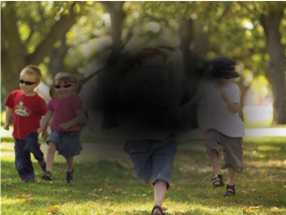
Researchers at the University of Canberra have developed a world first augmented reality (AR) visual prosthetic that may enhance vision for people living with advanced age related macular degeneration (AMD)—a condition that currently has no treatment capable of restoring central sight.
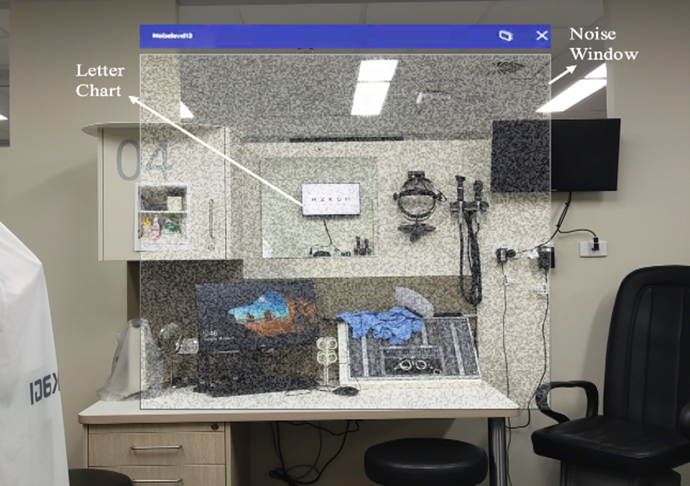
The new device uses a unique approach called stochastic resonance, where carefully calibrated “visual noise” is added to the scene through AR glasses to help the brain detect weak visual signals.
In early testing, people with severe macular damage experienced meaningful improvements in visual clarity, with an average gain of around 4.4 letters on an eye chart when the optimised visual noise was activated.
Real-World Trials in NSW
The next phase of the project is underway in regional NSW, where participants from regional areas near Canberra are trialling the device in their own homes for one month.
The research team is working closely with local optometrists, ophthalmologists, and UC’s Consumer Partnership Group to ensure the technology is:
- Safe
- Practical
- Genuinely improving day to day activities
“We want to give people with advanced AMD the chance to regain confidence and independence in the environments where they actually live.”
– Associate Professor Faran Sabeti, lead investigator
Improve Independence in Regional & Rural Australia
For people in regional and rural Australia—where specialist eye care services can be hours away—the benefits could be significant.
Participants receive tailored training, quality of life assessments, and follow up support while using the AR device during tasks like:
- Reading
- Recognising faces
- Navigating their homes
Why This Research Matters
If successful, the technology could be integrated into next generation AR enabled eyewear, offering a scalable and accessible low vision solution through community optometry clinics nationwide.
Donate


UC acknowledges the Ngunnawal people, traditional custodians of the lands where Bruce campus is situated. We wish to acknowledge and respect their continuing culture and the contribution they make to the life of Canberra and the region. We also acknowledge all other First Nations Peoples on whose lands we gather.