
The Centre for Advanced Studies in Education (CASE) addresses complex educational challenges by integrating research in learning environments and processes. Our work generates solutions that are cognitively grounded, culturally responsive and locally relevant.
Our people
CASE brings together leading researchers from across the Faculty of Education, whose decades of collective expertise drive research excellence.
What sets us apart is our commitment to collaboration: we work alongside our partners as co-researchers, engaging in deeply embedded research in regional and rural Australia as well as Southeast Asia and the South Pacific.
Our approach
CASE represents a groundbreaking approach to educational research that integrates cognitive and sociocultural frameworks to address critical educational challenges across four strategic impact areas, listed in the Our vision section below.
We engage in blue sky thinking that allows us to reimagine educational possibilities while conducting rigorously applied research that delivers measurable impact.
Our outcomes
From developing spatial learning programs that predict STEM achievement to creating culturally responsive educational initiatives in diverse communities, our work demonstrates how advanced studies can generate transformative solutions.
Through established partnerships with a range of organisations, CASE researchers have secured millions of dollars in grants and influenced educational policy and practice across diverse formal, informal, and nonformal learning environments.
Our projects
CASE projects explore how people learn and how research can improve educational practice. Working with educators and communities, we develop and test approaches that respond to learners’ needs.
Our core research focus is understanding how learning emerges and develops through the dynamic interplay of cognitive processes, contextual influences, and culturally responsive approaches. Our vision is defined by four strategic impact areas.

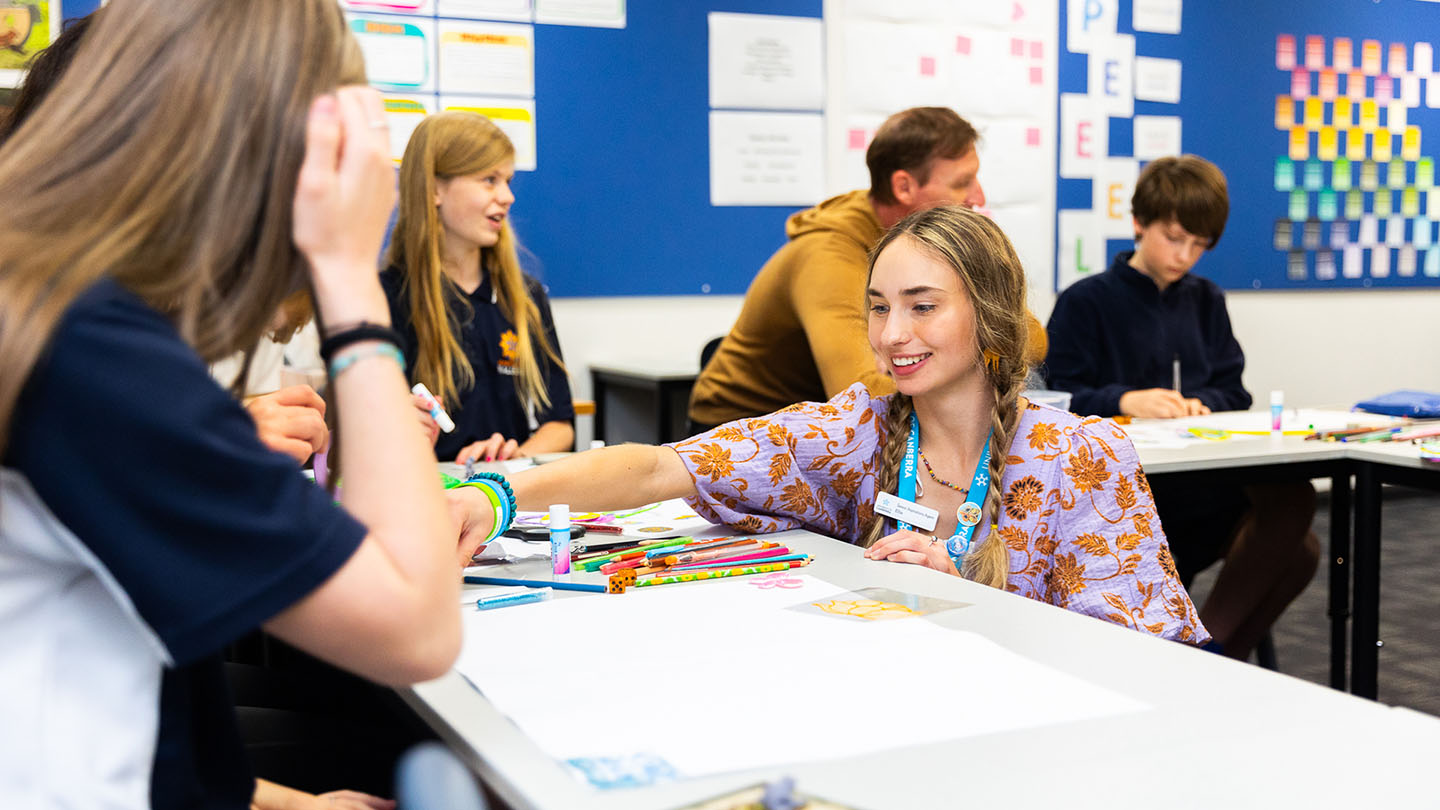
Optimise student learning
Understand and address individual cognitive strengths, developmental needs, and sociocultural factors to ensure that all learners can access and actively participate in transformative education
Strengthen schools and systems
Respond to the changing needs of diverse learners in complex social, technological, and ecological contexts

Empower families
Provide tools, skills, and knowledge to actively support their children’s learning
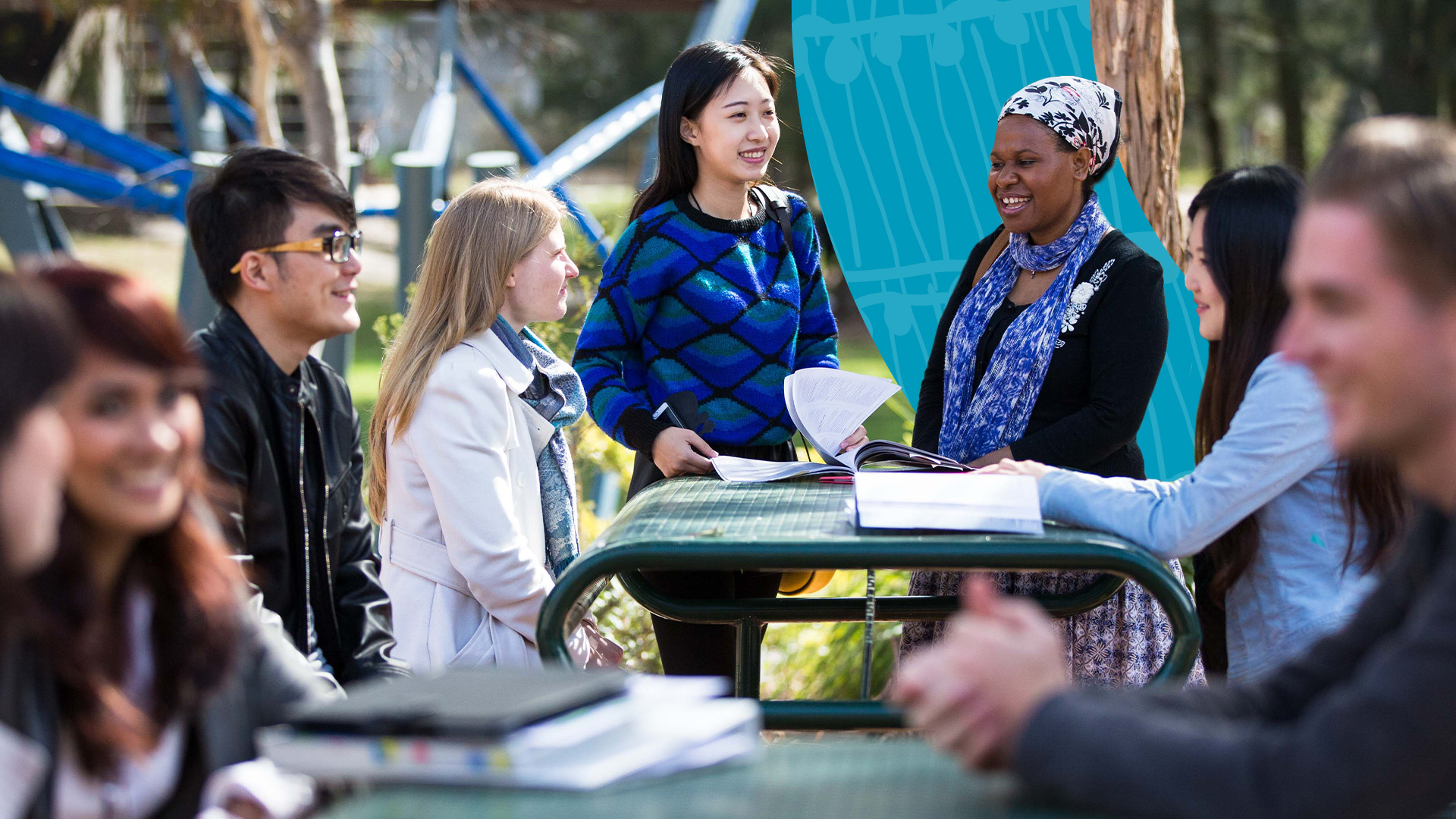
Partner with communities
Co-design education initiatives that promote local development, cultural sustainability, and long-term social resilience
Centre for Advanced Studies in Education (CASE)
University of Canberra
Bruce, ACT 2617


